Financing a Paver Project in Orlando: Your Options (2026)
Financing a Paver Project in Orlando
Most Orlando homeowners finance a paver project through a home-improvement loan, a HELOC or home-equity loan, a contractor financing plan, or by phasing the work over time. Which one fits depends on how much equity you have, how fast you need the work done, and whether you would rather borrow or spread the project across years. Here is a plain look at each option and how to choose, with the honest trade-offs.
A quick note: we are a referral service, not a lender or financial advisor. This guide explains the common options so you can have an informed conversation with a lender or your installer, not specific rate advice.
Why Financing a Paver Project Can Make Sense
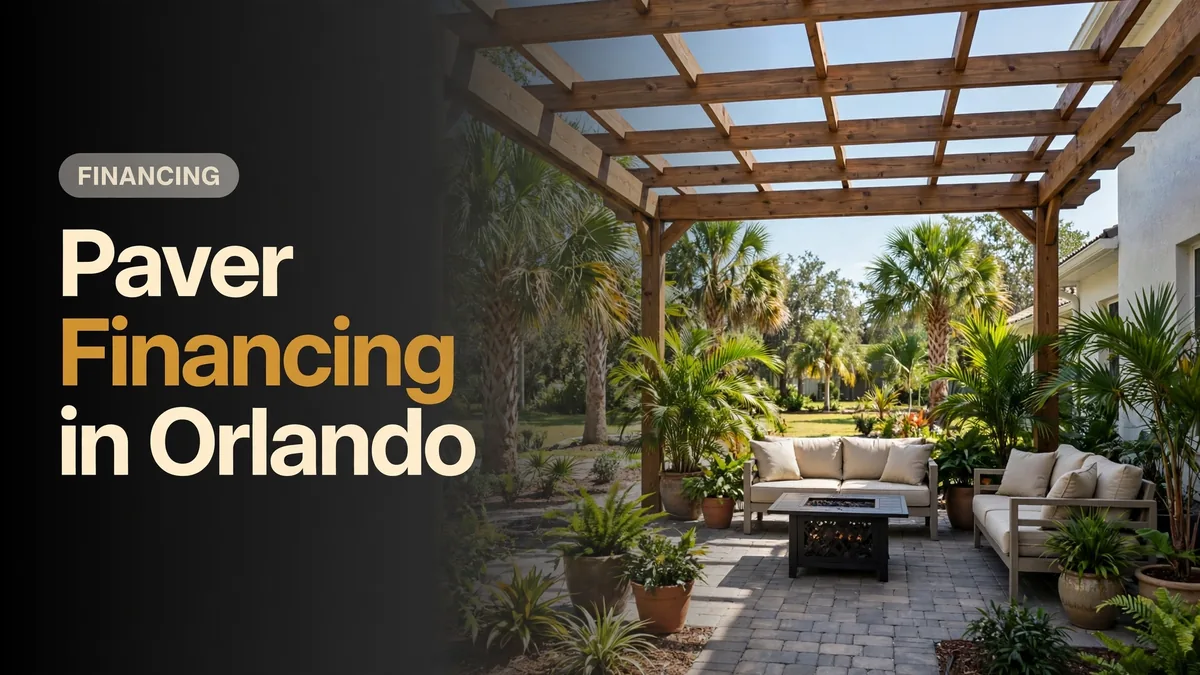
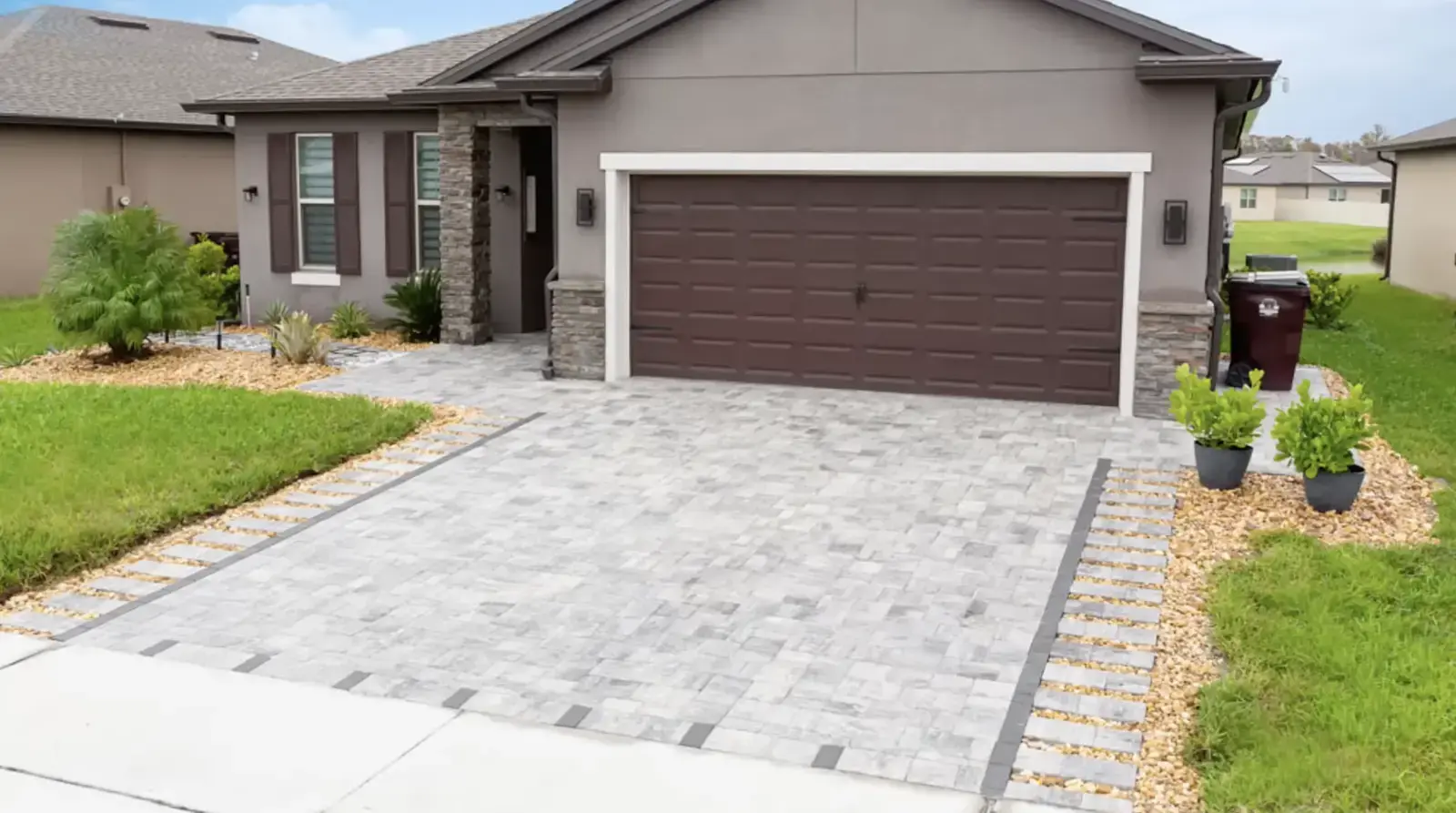
A paver surface is not a short-term purchase, and that changes the math on paying for it. A properly installed paver driveway or pool deck lasts 25 to 50 years, adds curb appeal, and can increase resale value. Because the asset lasts decades, spreading its cost over a few years of payments is a reasonable trade for many homeowners, rather than delaying the project for years to save up, especially if you are replacing a failing concrete surface that is only getting worse. See our Orlando paver cost guide for what projects actually run.
That said, financing is not free, and the right answer for some people is simply to phase the work instead of borrowing. Both are valid.
The Main Ways to Pay for Pavers
Each route has a real trade-off. Here they are side by side.
Cash or savings
The cheapest option, no interest, and it puts you in the strongest position to negotiate. The downside is simply having the cash available.
Home-equity loan or HELOC
Usually lower interest rates than unsecured loans because your home secures them. A HELOC pairs well with phasing. The trade-off is your home is the collateral.
Home-improvement or personal loan
Does not put your home on the line and funds quickly, but rates are typically higher since there is no collateral. Good for speed without much equity.
Contractor financing
Convenient and handled in one place, but read the terms carefully, since promotional rates can jump after an introductory period.
Phasing instead of borrowing
Do the driveway this year and the pool deck next, paying cash for each phase. The trade-off is a modest premium for multiple mobilizations.
How to Choose
Do you have equity? If yes, a HELOC or home-equity loan is usually the lowest-cost way to borrow. If no, a home-improvement or personal loan is the fallback. How fast do you need it done? If a failing driveway needs replacing now, borrowing gets it done in one go. If it can wait, phasing avoids interest entirely.
Would you rather borrow or spread the work? Financing does the whole project at once at the cost of interest; phasing spreads the project itself over years at the cost of repeated mobilizations. If those two costs are close, doing it all at once with financing is often the cleaner result. And whatever route you choose, compare the total cost, not just the monthly payment, and watch for promotional rates that reset.
A Word on Protecting Yourself
However you pay, a few habits protect your money on a paver project.
- Never pay the full amount up front; a reasonable deposit with the balance on completion is standard, and a demand for full payment before work starts is a red flag.
- Get an itemized estimate so you know exactly what you are financing, as explained in our how to read a paver estimate guide.
- Make sure the installer is licensed and insured, which you can verify through Orange County’s public contractor database.
Financing a project built on a starved base just means paying interest on a driveway that will fail early.
Frequently asked questions
Related Guides
 Paver Cost in Orlando 2026 (Real Price Ranges)
 How to Read a Paver Estimate (and Spot a Starved Base)Why Paver Quotes Vary 40% for the Same JobHow to Phase a Paver Project on a BudgetWhere to Buy Pavers in Orlando (Supplier List)
 Do You Need a Permit for Pavers in Orlando?Paver Cost in Orlando 2026 (Real Price Ranges)How to Read a Paver Estimate (and Spot a Starved Base)Why Paver Quotes Vary 40% for the Same JobHow to Phase a Paver Project on a BudgetWhere to Buy Pavers in Orlando (Supplier List)Do You Need a Permit for Pavers in Orlando?
Get a Free, Itemized Paver Estimate in Orlando
Orlando homeowners finance pavers through cash, a home-equity loan or HELOC, a personal loan, contractor financing, or by phasing the work over time. We are a referral service, not a lender, so confirm specific terms with a lender or advisor. Tell us about your project and we will match you with a vetted local installer. Call (689) 686-8021 or request a quote online.