
Permeable Paver Driveways in Orlando, FL
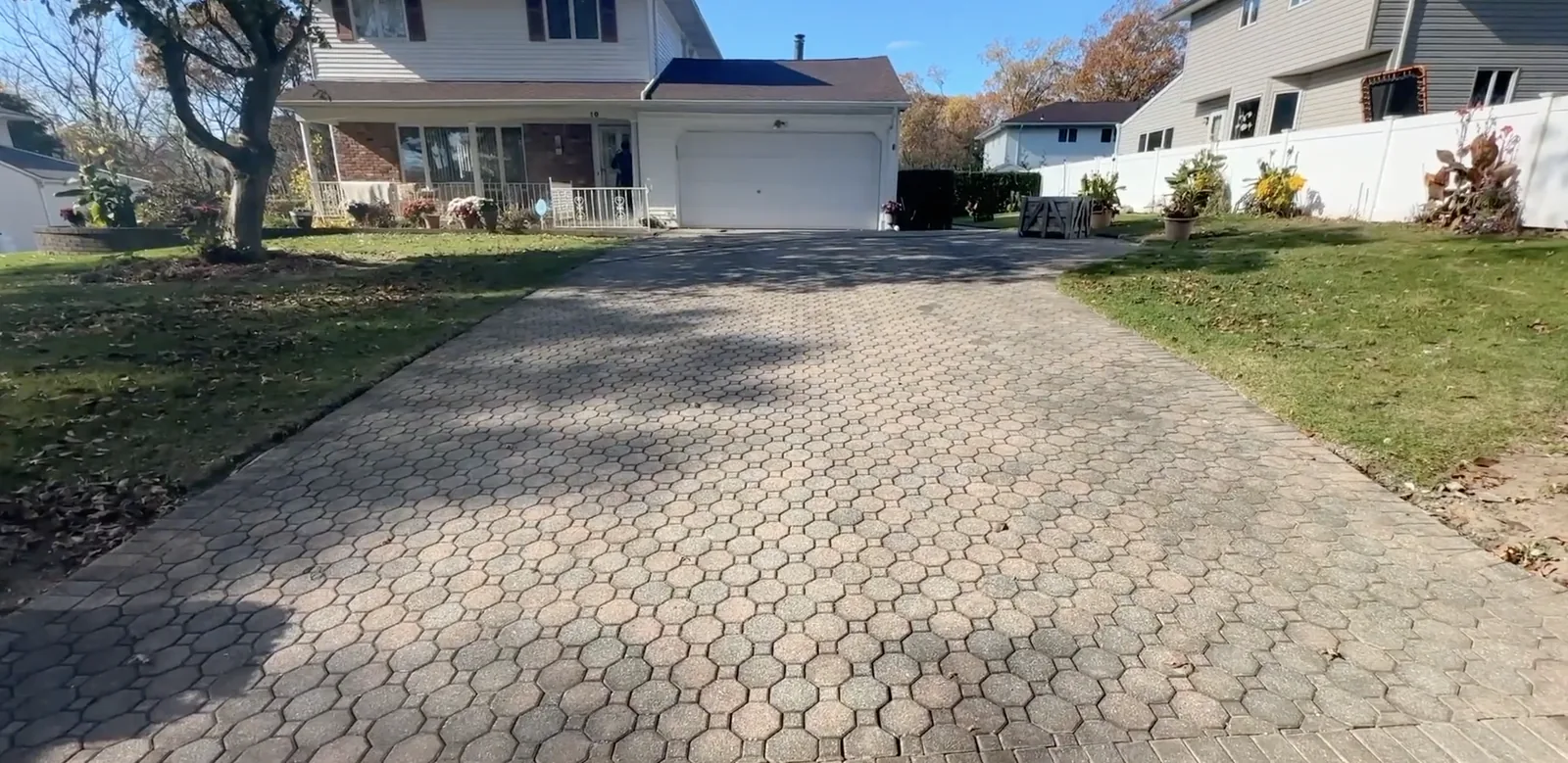
A permeable paver driveway looks like a normal paver driveway, but it does something a normal one cannot: it lets rainwater pass straight through the surface into a stone reservoir below instead of running off.
In Central Florida, where heavy rain, sandy soil, and impervious surface limits all collide, that difference can be the thing that gets a driveway approved and keeps a yard from flooding. This page covers what permeable pavers cost, how they work, and how we connect you with an installer who builds the system right.
Pavers Orlando Co is a referral service, not a contractor. We match you with a licensed, insured local installer and set up a free on-site estimate.
What Permeable Pavers Cost in Orlando
Permeable interlocking concrete pavers, known as PICP, generally run 10 to 30 dollars per square foot installed in the Orlando area. A two-car permeable driveway typically lands between 5,500 and 17,000 dollars. They cost roughly 10 to 20 percent more than standard pavers, mostly because of the deeper excavation and the larger stone reservoir underneath.
| Permeable option | Installed cost per sq ft |
|---|---|
| Plastic grid pavers (functional) | $5 to $9 |
| Concrete grid pavers | $4 to $12 |
| Permeable interlocking concrete (PICP) | $10 to $30 |
The higher upfront cost buys something back. A permeable system can eliminate the need for separate drainage infrastructure, which on some lots saves thousands, and some Florida jurisdictions and utilities offer stormwater rebates for permeable surfaces. Ask your installer to check what applies to your address.
How a Permeable Driveway Actually Works
A standard driveway is built to shed water off the surface as fast as possible. A permeable driveway does the opposite, and that changes the whole build.
The layers
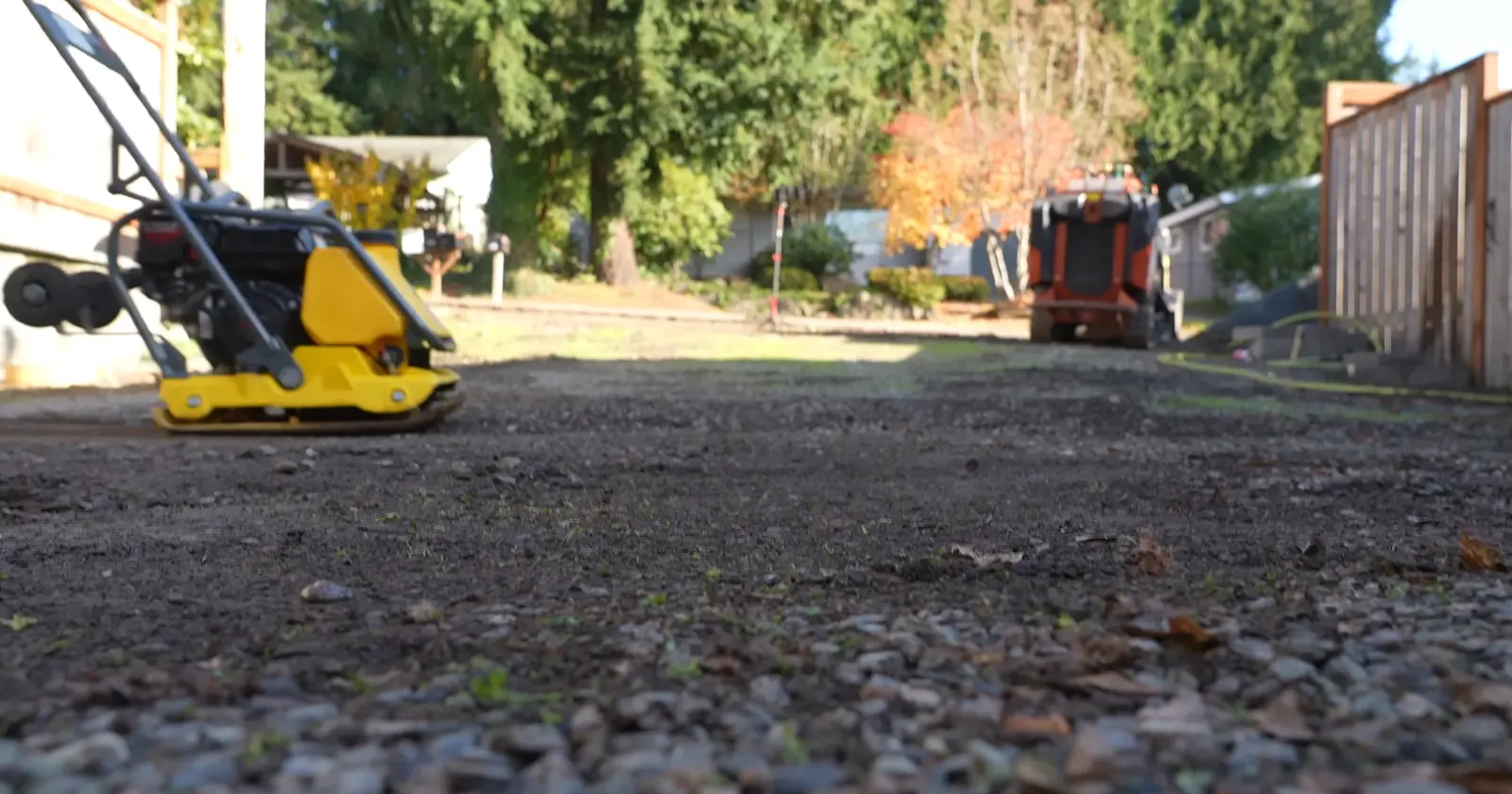
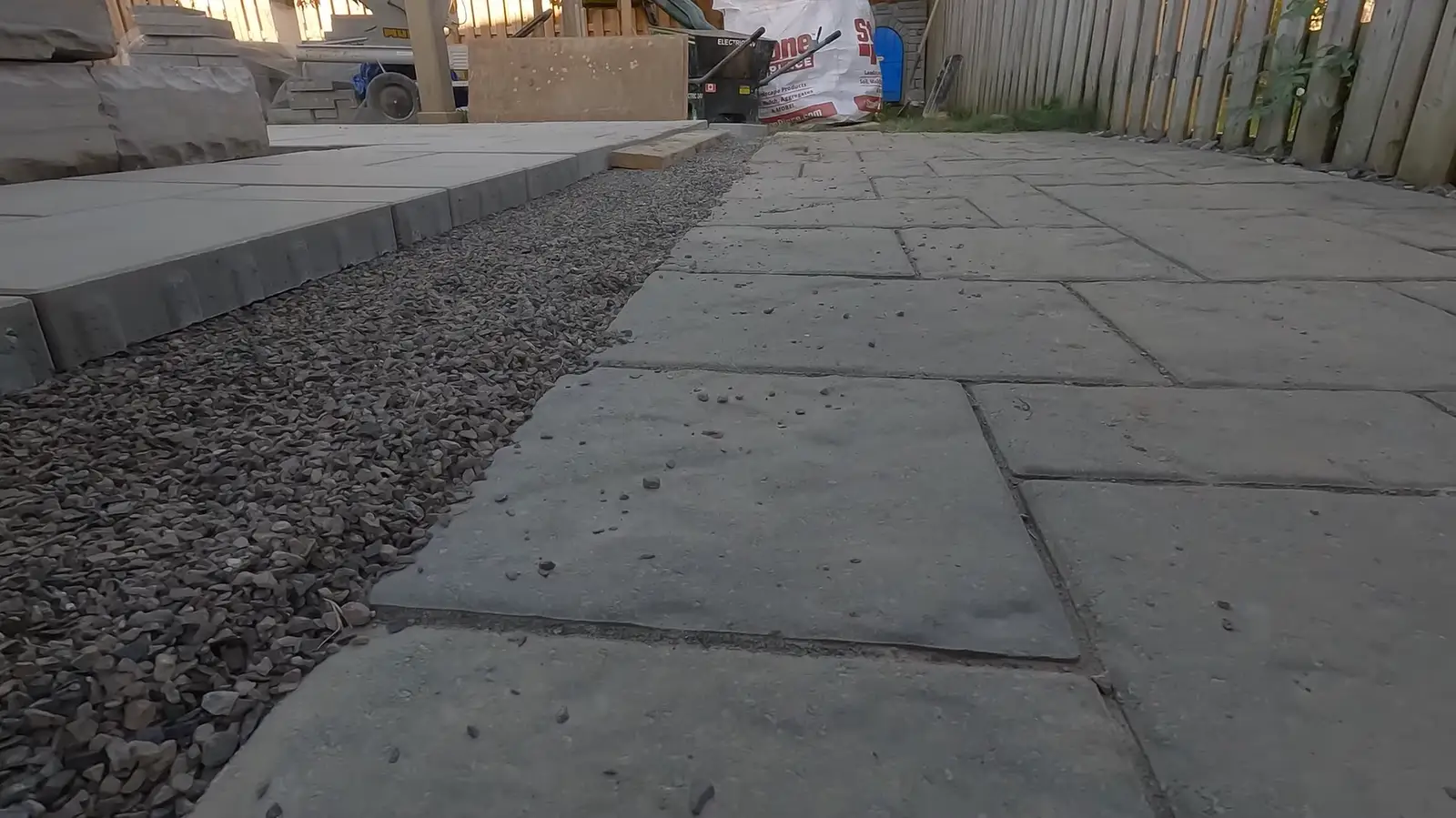
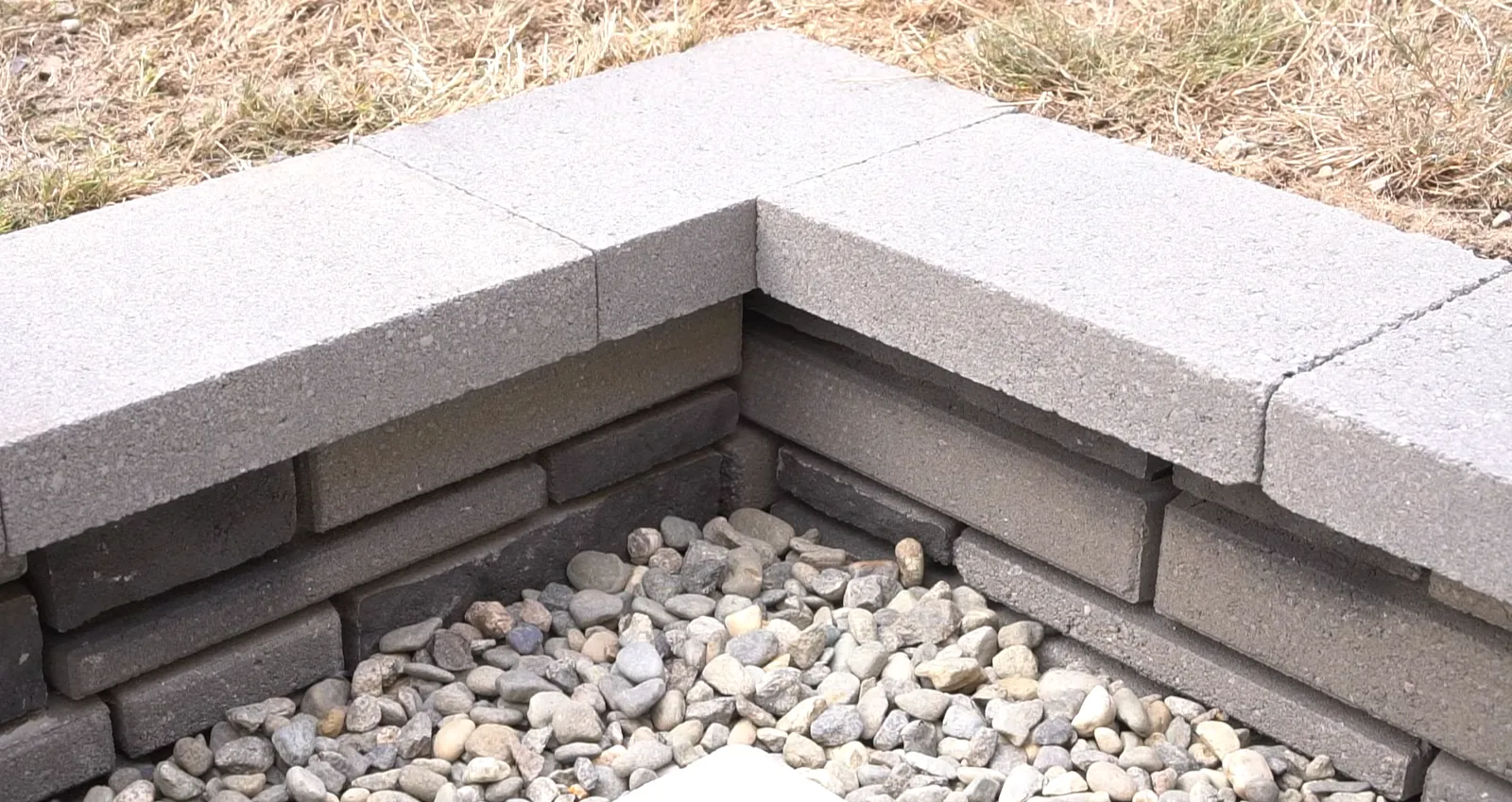
Permeable pavers have small spacer nibs that create consistent gaps between each unit. Those gaps are filled with small, clean, washed stone rather than sand, so water flows through them instead of running off. Below the pavers sits a deep open-graded stone base, often 12 to 24 inches, that acts as both the structural foundation and a temporary reservoir. Rainwater collects in the void space between the stones and soaks into the sandy soil below over the hours after a storm.
Why it suits Florida
According to the Florida Concrete Products Association, Florida has been a national leader in adopting pervious pavement, with hundreds of applications across the state. Our sandy soil actually helps, because it drains well once water reaches it.
The types you will hear about are PICP, concrete grid pavers, pervious concrete, and plastic reinforcing grids. For a residential driveway that needs to look good and carry vehicles, PICP is the usual choice.
Beating the Impervious Surface Limit
This is the reason many Orlando homeowners look at permeable pavers in the first place, and it is worth understanding clearly. Orange County’s 40 percent open space rule, code section 24-29(a), limits how much of your lot can be paved. On a tight lot, a standard driveway or a driveway extension can push you over that limit and get denied.
Because a permeable system infiltrates water instead of shedding it, many jurisdictions give it partial or full credit against your impervious surface total. That credit can be exactly what makes an otherwise non-compliant driveway or extension fit the code.
It is not automatic, though. How Orange County or the City of Orlando treats a specific permeable design has to be confirmed before you rely on it, which is something your installer should handle up front. Our driveway extension page covers the lot-coverage math in more detail.
What a Proper Permeable Install Looks Like
A permeable driveway is more labor-intensive than a standard one, and the details matter more, because the whole point is the system underneath.
- Soil testing. The installer checks the soil’s infiltration rate, which determines how deep the stone reservoir needs to be.
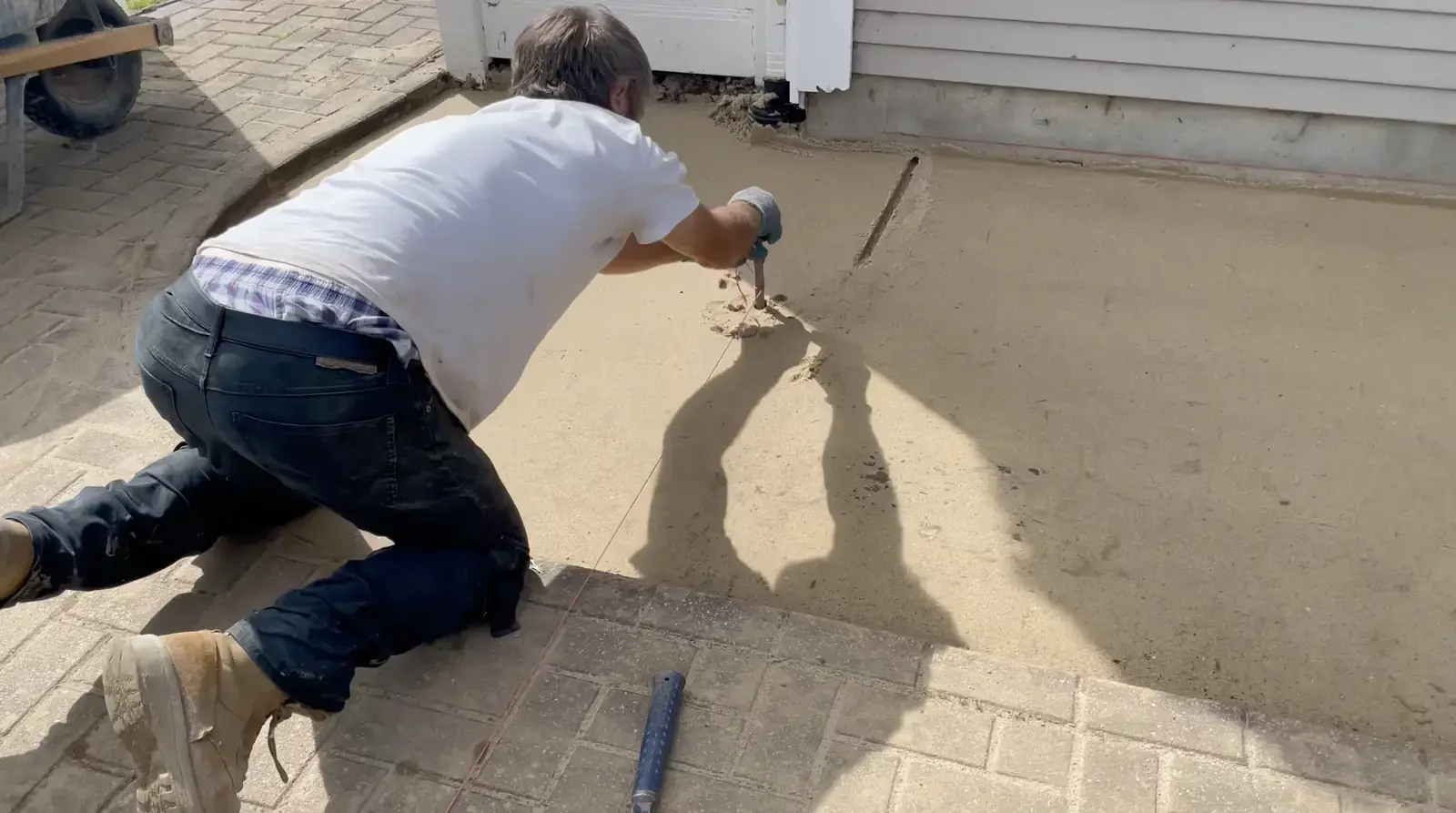
- Deep excavation. The dig is deeper than a standard driveway, often 12 to 24 inches, to fit the reservoir.
- Open-graded stone reservoir. Layers of clean, washed, open-graded stone are placed and compacted to form the base and the water-storage zone.
- Bedding layer. A layer of smaller stone is set beneath the pavers.
- Setting the pavers. PICP units are set precisely, with the spacer nibs creating the gaps, which requires more care than standard pavers.
- Filling the joints. The gaps are filled with small washed stone rather than sand, so water can pass through.
Maintenance: The One Thing You Must Do
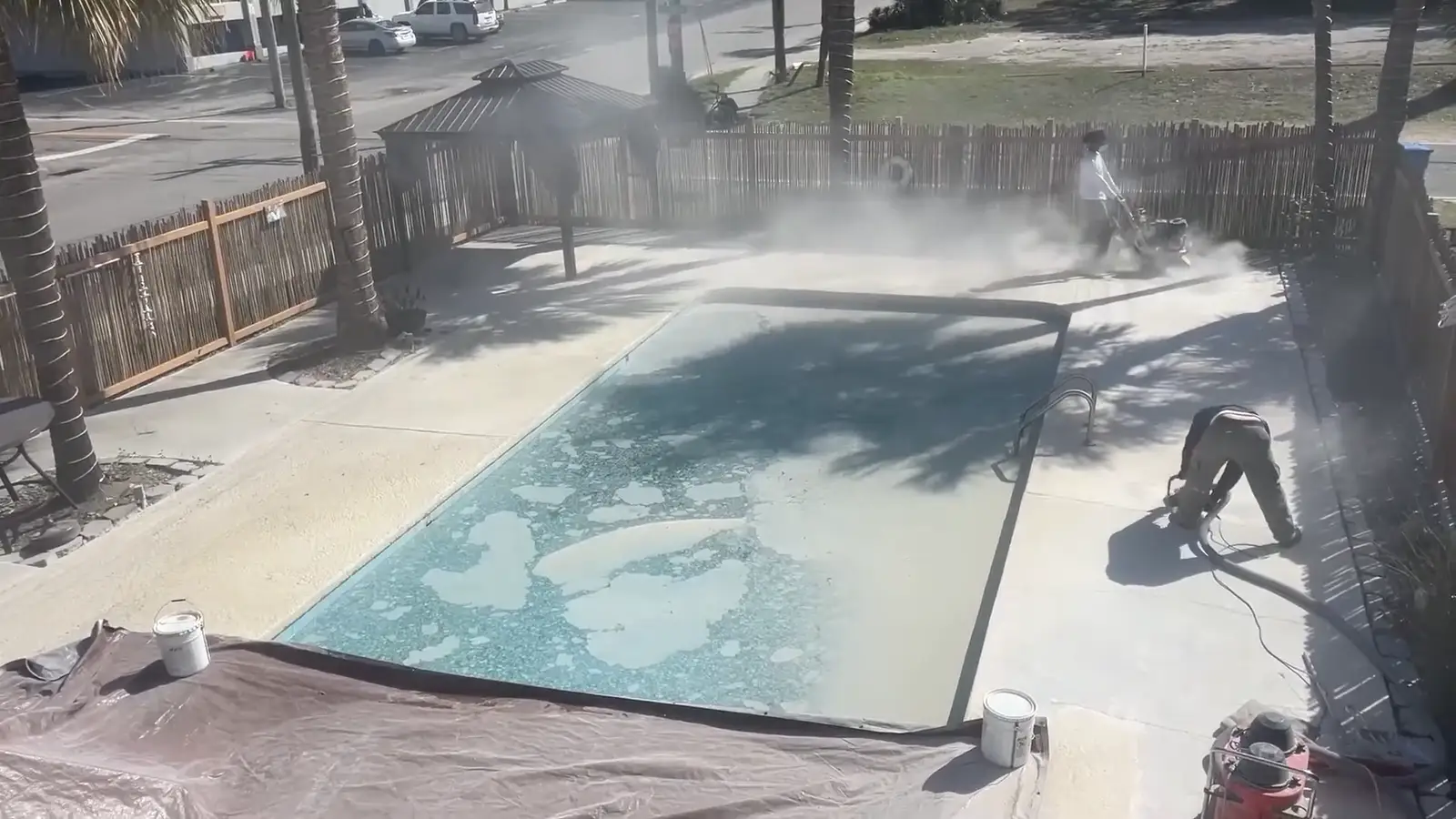
Permeable pavers are low-maintenance with one important exception. The void spaces that let water through can slowly clog with dirt, sand, and debris over the years. To keep the system working, the surface needs vacuum sweeping periodically, usually once or twice a year. This is routine and inexpensive, but skipping it entirely is how a permeable driveway loses its drainage ability.
One Florida-specific note: do not spread sand on a permeable driveway, since sand is exactly what clogs the voids. With regular vacuuming, a permeable system keeps working for 20 to 30 years.
Is a Permeable Driveway Right for You?
Permeable pavers are the right call in specific situations, and a standard paver driveway is fine in others. A good installer will tell you honestly which fits.
- You are over or near your impervious surface limit and need the drainage credit to get approved.
- Your lot has drainage or flooding problems that a standard driveway would worsen.
- You want to avoid the cost of separate drainage infrastructure.
- You want the environmental benefit of recharging groundwater instead of sending runoff to storm drains.
If none of those apply and lot coverage is not tight, a standard paver driveway is usually simpler and cheaper. The permeable premium is worth paying when you actually need what it does.
Permeable Driveways Across Metro Orlando
Interest in permeable driveways clusters where lots are tight or drainage is a concern. In College Park, Baldwin Park, and other infill neighborhoods, the impervious limit is often the driver. Around the lakes in Windermere, Dr. Phillips, and Conway, the appeal is drainage and keeping runoff out of the water. We cover permeable paver installation across Orange, Seminole, and Osceola counties, each with its own rules on stormwater credit.
How We Match You With a Permeable Paver Installer
Pavers Orlando Co is not the contractor. We connect you with a licensed, insured local installer whose license we confirm against Orange County’s public database first. Permeable systems reward installers who understand soil infiltration and how the county treats stormwater credit, so we point you to ones with real permeable experience. You get an itemized estimate and deal with the installer directly from there.
Common Questions About Permeable Pavers in Orlando
Get a Free Permeable Driveway Estimate in Orlando
Tell us your driveway size, whether lot coverage or drainage is the concern, and your neighborhood. We will match you with a vetted local installer who can check your soil and the county’s stormwater rules and come out to measure, at no cost and no obligation. Call (689) 686-8021 or request a quote online.