Paver Sealing and Cleaning in Orlando, FL
Florida is harder on pavers than almost anywhere they are sold. Ten months of UV, forty inches of summer rain, and constant humidity strip sealer, wash out joint sand, and grow mold faster than the national guidance on the product bucket assumes.
This page covers what sealing costs in Orlando, how often to actually reseal here, the difference between sealer types, and how we connect you with an installer who preps the surface properly instead of sealing over dirt.
Pavers Orlando Co is a referral service, not a contractor. We match you with a licensed, insured local installer and set up a free on-site estimate.
What Paver Sealing Costs in Orlando
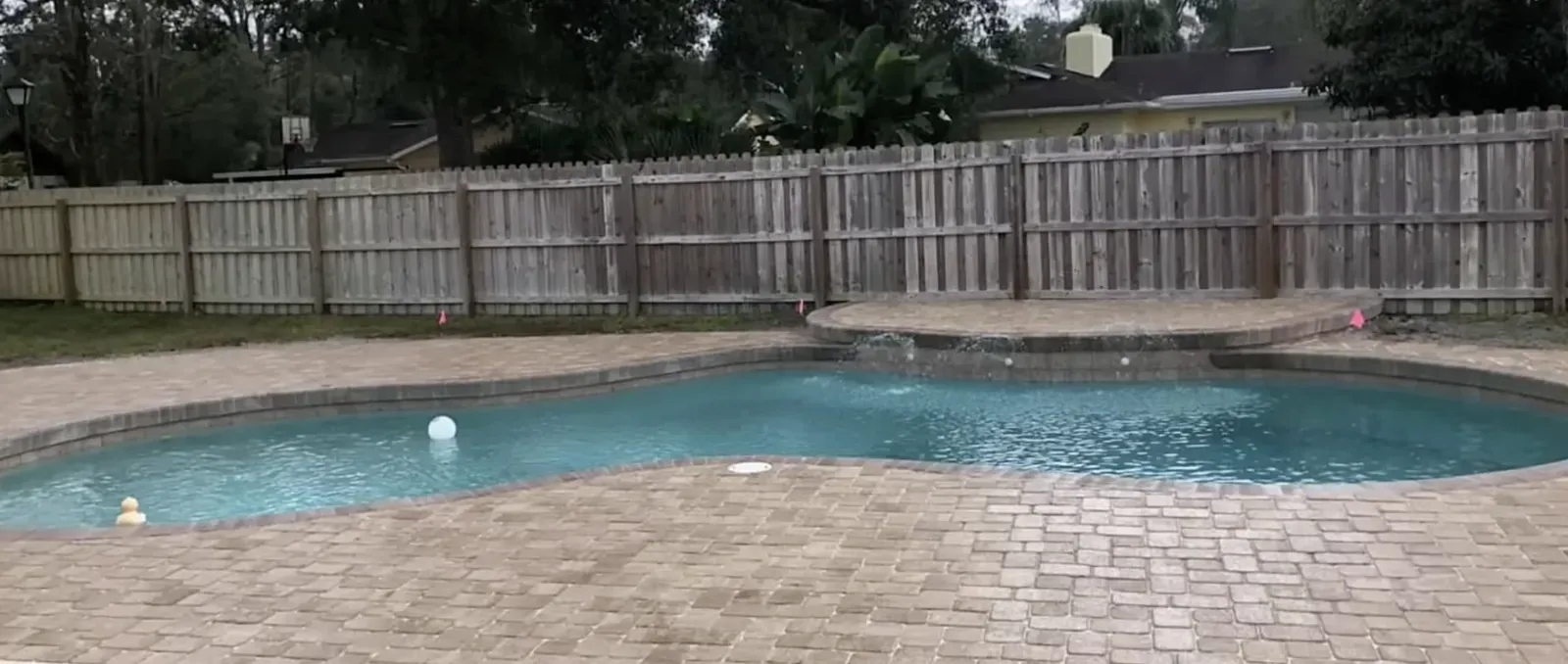
Professional paver sealing in Central Florida runs 1.50 to 3.00 dollars per square foot, with most homeowners paying 750 to 2,500 dollars for a complete clean-and-seal project. Pool decks sit at the higher end because they need slip-conscious sealer and careful application. Neglected surfaces cost more because they need heavier cleaning before any sealer can go down.
| Project | Typical cost |
|---|---|
| Standard clean and seal, per sq ft | $1.50 to $3.00 |
| Typical driveway or patio project | $750 to $2,500 |
| Wet-look or high-gloss finish | Add $0.10 to $0.20 per sq ft |
A cheap quote almost always cuts one of three things: surface prep, sealer quality, or joint sand replacement. Skipping the re-sand means your joints wash out with the first heavy rain, so a real quote includes it.
How Often to Reseal Pavers in Florida
Plan on resealing every three to five years for a natural-finish sealer, and every two to three years for gloss or wet-look finishes, pool decks under sprinkler spray, and driveways that carry daily traffic. That is faster than the national guidance, because Florida destroys sealer faster than almost anywhere. UV runs ten months a year and continuously degrades the sealer, which is a sacrificial layer by design. Summer rain mechanically scours the surface and flushes joint sand out of worn joints.
The water test tells you when
Rather than watching a calendar, do a simple water test each spring before the rainy season. Splash water on the pavers. If it beads up, the sealer is still working. If it soaks in, it is time to reseal. Booking the reseal before June means fresh sealer, not bare pavers, takes the summer beating.
New Pavers: When to Seal the First Time
Do not seal brand-new pavers right away. They need 30 to 90 days to cure and to let efflorescence, the white mineral haze that rises as pavers cure, work its way out. Sealing over efflorescence traps those mineral salts under the sealer and creates a cloudy white haze that is difficult and expensive to fix. Once the curing window has passed and the surface is cleaned, the first seal can go on.
Penetrating vs Wet-Look Sealer
The biggest decision is the finish, and it changes both the look and the maintenance.
Penetrating sealers
These soak into the paver and protect from within without changing the appearance. They leave a natural, matte look, keep their traction when wet, and generally last longer between coats. They are the right choice for pool decks and the only choice for travertine.
Film-forming and wet-look sealers
These sit on top of the surface and deepen the color, giving the rich, wet look many homeowners want, in matte, satin, or high-gloss. They cost a little more and need resealing sooner, and they must be used carefully. On a pool deck, a glossy film-forming sealer can trap moisture and create a slip hazard, so most Orlando pool decks get a penetrating sealer with a non-slip additive instead. And a film-forming sealer should never go on travertine, where it turns milky within a wet season.
What Sealing Actually Does for You
Sealing is one of the best-value things you can do for a paver surface, for a fraction of what the pavers cost to install. A quality seal does five things at once.
- Enhances and protects the color against UV fading.
- Repels stains from oil, grease, rust, and leaf tannins.
- Stabilizes the joint sand so it stops washing out, which keeps pavers from shifting.
- Inhibits mold, mildew, and algae growth on the surface.
- Blocks efflorescence from migrating up through the pavers.
What a Proper Clean-and-Seal Includes
Sealing is only as good as the prep underneath it. Sealing over algae, dirt, or old failing sealer locks the problem in and fails within months. A proper job follows a sequence.
- Pre-treatment. A biodegradable algaecide and fungicide treatment kills mold, mildew, and algae in the surface.
- Pressure washing. The surface is washed, often with hot water, to lift ingrained grime, then targeted treatment removes rust, oil, tannin, and efflorescence stains.
- Drying. The pavers have to dry fully, because sealer needs a clean, open, dry surface to bond.
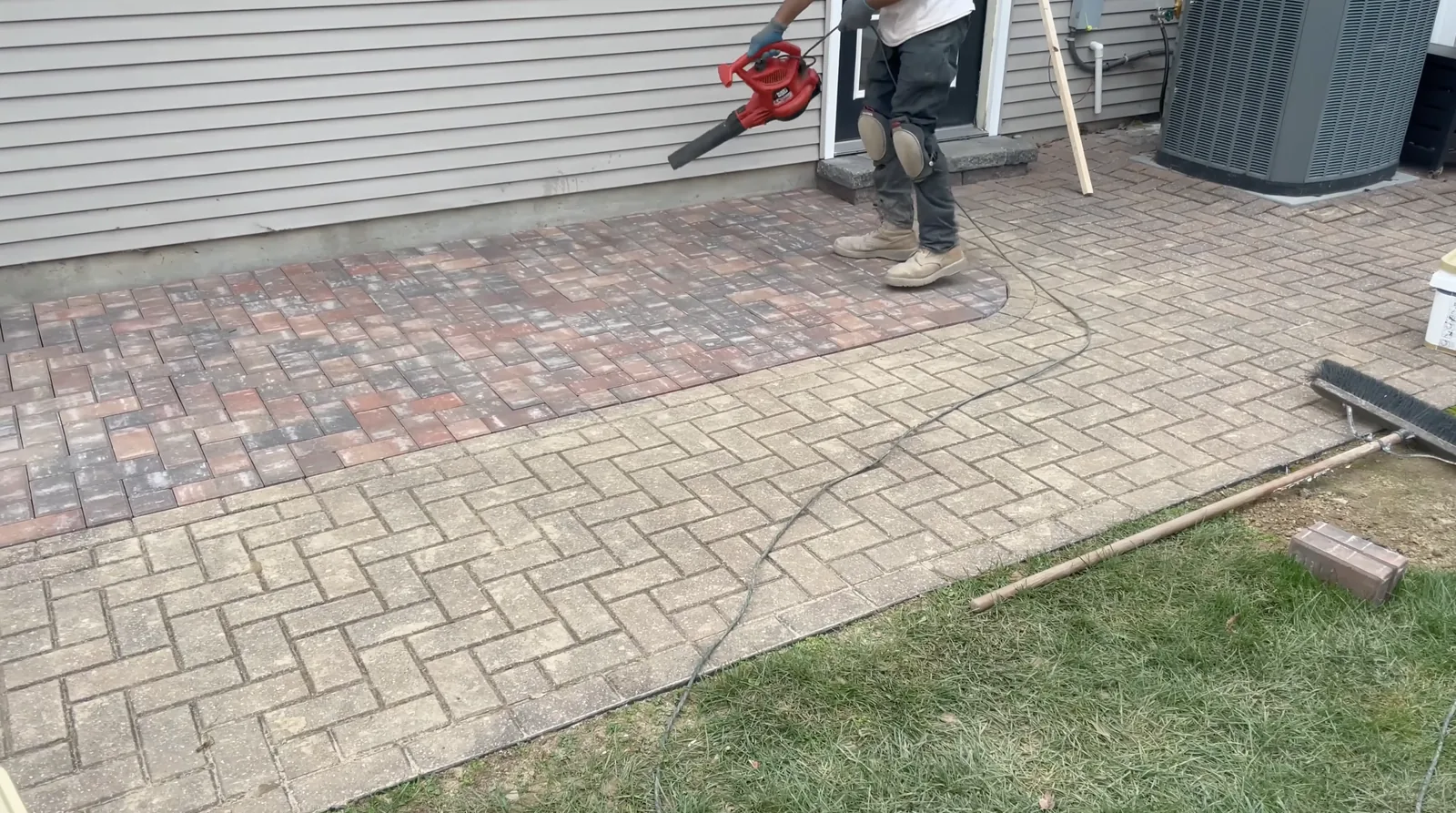
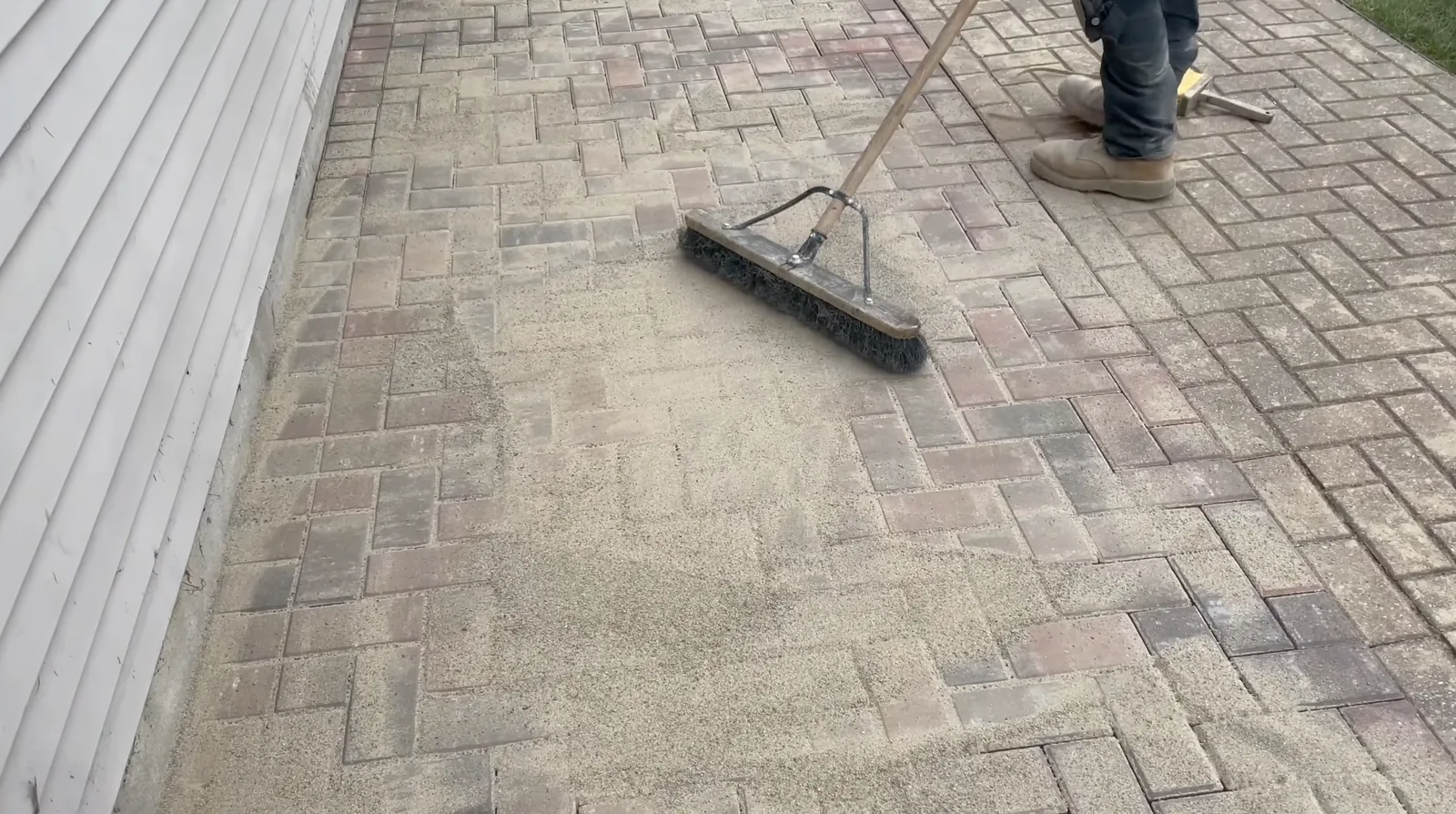
- Joint sand replacement. Old or eroded sand is swept out and fresh polymeric sand is filled into the joints, which locks the pavers and resists washout.
- Sealer application. The sealer is applied in thin, even coats with low-pressure sprayers and back-rolling. Two thin coats outperform one thick coat, with better adhesion and less risk of bubbling.
- Cure time. Foot traffic usually returns in 24 to 48 hours, vehicles in about 72 hours.
Old or Neglected Pavers Are Not a Lost Cause
Pavers that have never been sealed, even ten or fifteen years in, can usually be brought back. A restoration-grade cleaning, a full re-sand, and a first sealing bring most surfaces back remarkably well. Faded pavers often look dramatically better afterward, because a quality sealer deepens the original pigment. One caveat: if a previous company used a cheap solvent-based sealer that turned white and peeled, that old sealer has to be chemically stripped first, or the new one fails just as fast.
Paver Sealing Across Metro Orlando
Sealing demand is steady everywhere because every paver surface eventually needs it, but the details vary. Shaded pavers under Winter Park’s oak canopy grow algae fastest and need more frequent cleaning. Pool decks in Windermere, Dr. Phillips, and Lake Nona need slip-conscious penetrating sealer and reseal on a shorter cycle from sprinkler and splash exposure. We cover paver sealing and cleaning across Orange, Seminole, and Osceola counties.
How We Match You With a Sealing Installer
Pavers Orlando Co is not the contractor. We connect you with a licensed, insured local installer whose license we verify against Orange County’s public database first. Sealing is where cheap prep shows up fast, so we point you to installers who clean and re-sand properly before sealing. You get an itemized estimate and deal with the installer directly from there.
Common Questions About Paver Sealing in Orlando
Get a Free Paver Sealing Estimate in Orlando
Tell us the surface, roughly how large it is, when it was last sealed if ever, and the finish you want. We will match you with a vetted local installer who covers your area and can come out to assess it, at no cost and no obligation. Call (689) 686-8021 or request a quote online.