Paver Patios in Orlando, FL
A paver patio is where most Orlando backyards actually get used, so it is worth building it to handle daily wear, afternoon storms, and the summer heat instead of just looking good on day one.
This page covers what a paver patio costs here, the permit rules, the add-ons homeowners bundle in most often, and how we connect you with an installer who builds the base right.
Pavers Orlando Co is a referral service, not a contractor. We match you with a licensed, insured local installer and set up a free on-site estimate.
What a Paver Patio Costs in Orlando
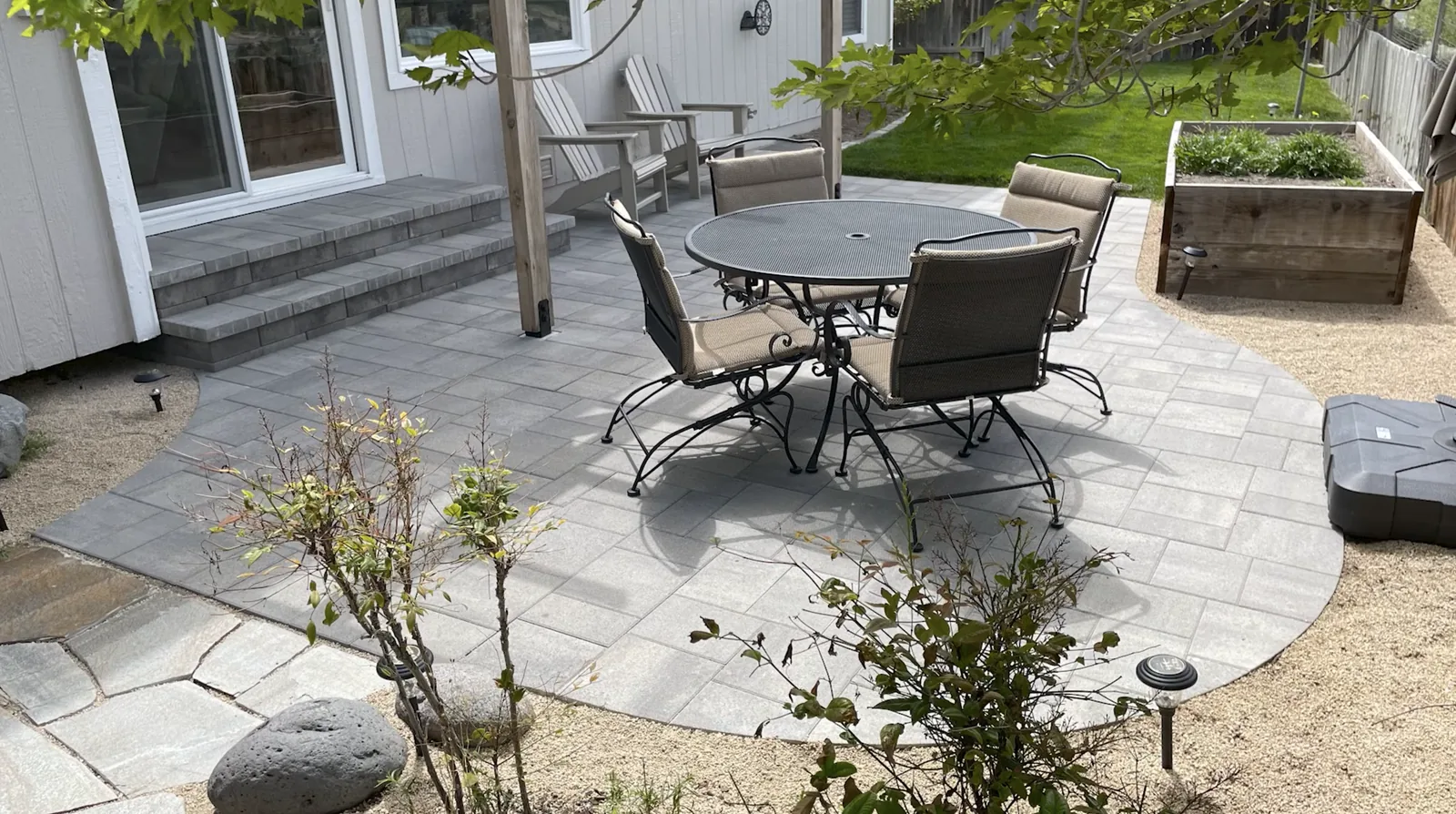
A paver patio in Central Florida typically runs 15 to 35 dollars per square foot installed. A standard 400 square foot patio lands around 6,000 to 14,000 dollars for concrete pavers. Premium materials like travertine or porcelain push the number higher, and add-ons like a fire pit or seat wall are priced separately on top.
| Patio scope | Typical installed cost |
|---|---|
| Small, 150 to 250 sq ft, concrete pavers | $3,000 to $6,000 |
| Mid-size, 250 to 450 sq ft, upgraded pavers | $6,000 to $15,000 |
| Large outdoor-living patio, 400 to 800 sq ft | $15,000 to $35,000+ |
Removing an existing concrete slab or old patio adds a few dollars per square foot for demolition and hauling. Complex shapes, curves, and multiple paver patterns also add labor, since every cut has to be made by hand.
What drives the price
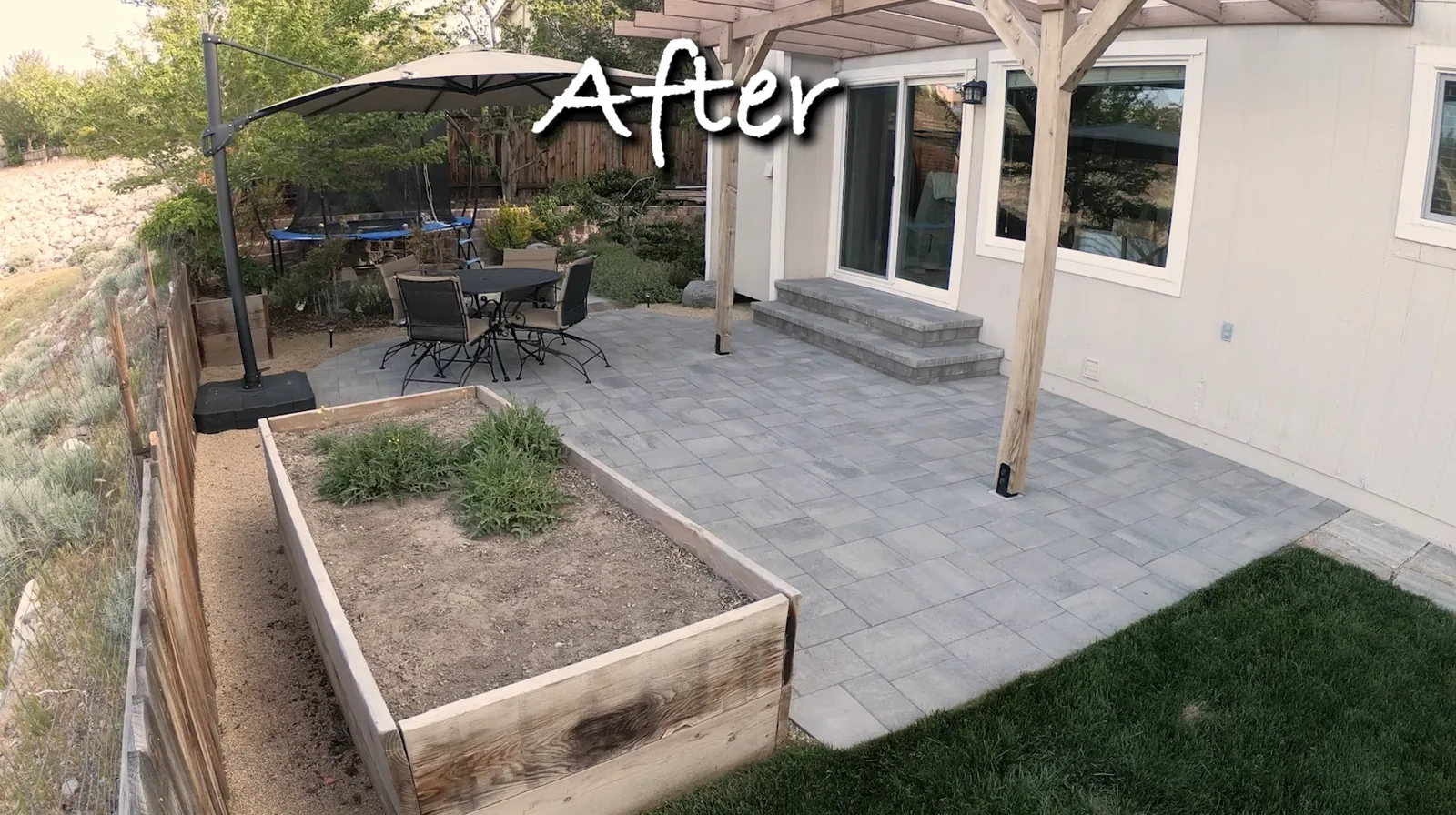
Material choice is the single biggest factor, followed by size and design complexity. A simple rectangular patio in a running-bond pattern is the most cost-effective layout you can choose. Curves, borders, multiple colors, and a step-down or raised section all add labor. Ask for an itemized estimate that separates base work, pavers, and any add-ons so you can compare quotes on equal footing.
Do You Need a Permit for a Paver Patio in Orlando?
Usually, yes. Orange County requires a permit anytime pavers are placed, and there is no size exemption, so a patio needs a Zoning permit the same as a driveway does. The fee is 76 dollars and review takes about four business days in unincorporated Orange County. Inside Orlando city limits the work goes through the city’s Engineering Permit process instead.
Add-ons change the picture. A fire pit with a gas line, an outdoor kitchen, or a structure like a pergola can trigger additional permits and sub-permits for gas or electrical work. Your installer should pull the right ones. And if you are in an HOA, the architectural review committee will likely need to sign off on the patio material and layout first under Florida Statute Chapter 720. Our Orlando Permit Guide covers the details.
What a Proper Paver Patio Install Looks Like
A patio carries foot traffic rather than vehicles, so it does not need the deep base a driveway does. But in Central Florida’s sandy soil, the base still decides whether it stays level.
Base and drainage
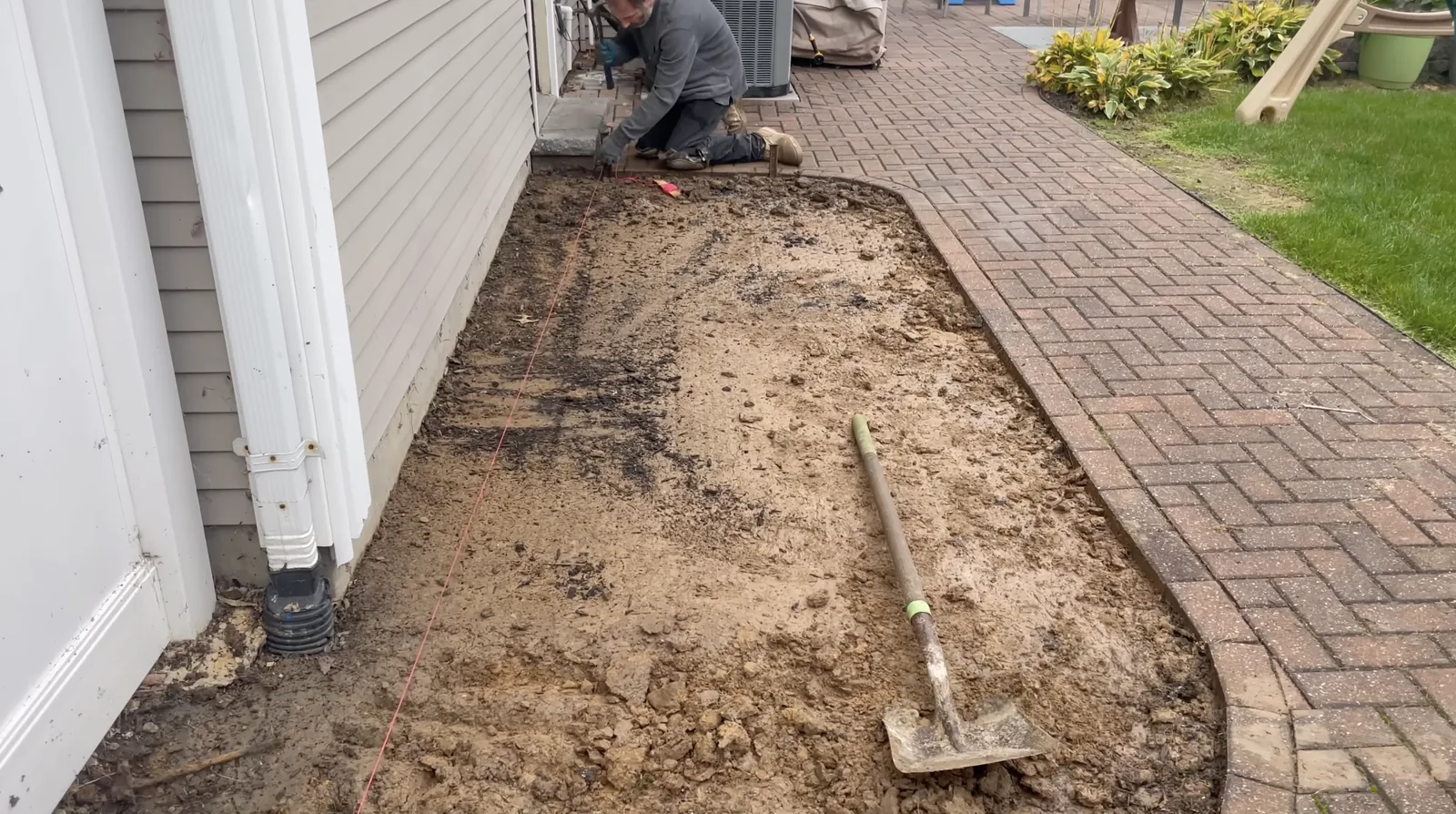
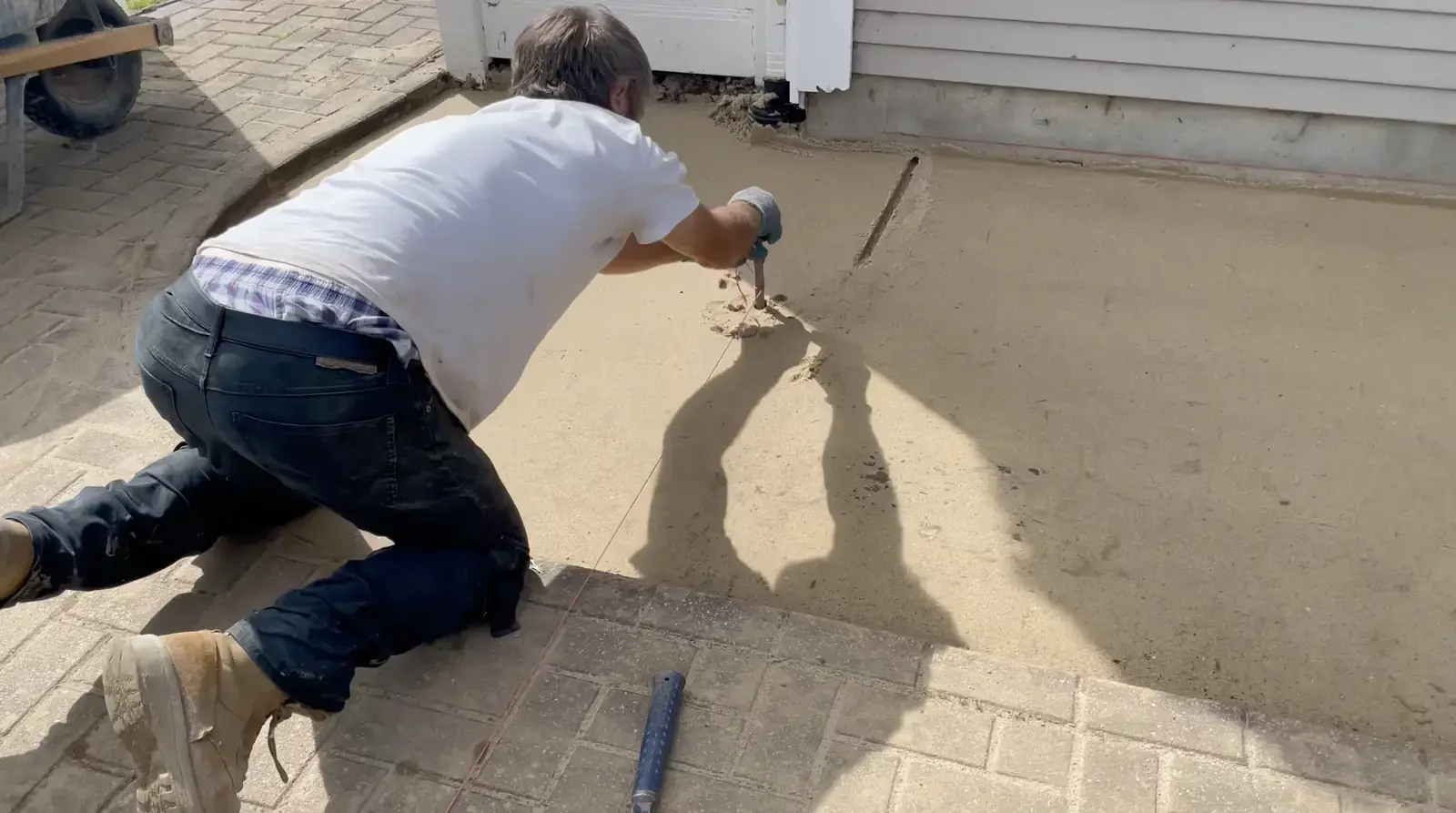
A patio needs a compacted base over geotextile fabric, shallower than a driveway but built the same way, in compacted lifts. The fabric keeps the base from mixing into the sand below and losing support over time. Slope matters just as much. The patio has to be pitched slightly away from the house so Orlando’s summer downpours drain off instead of pooling against the foundation or sitting in low spots that grow algae.
Pattern and joints
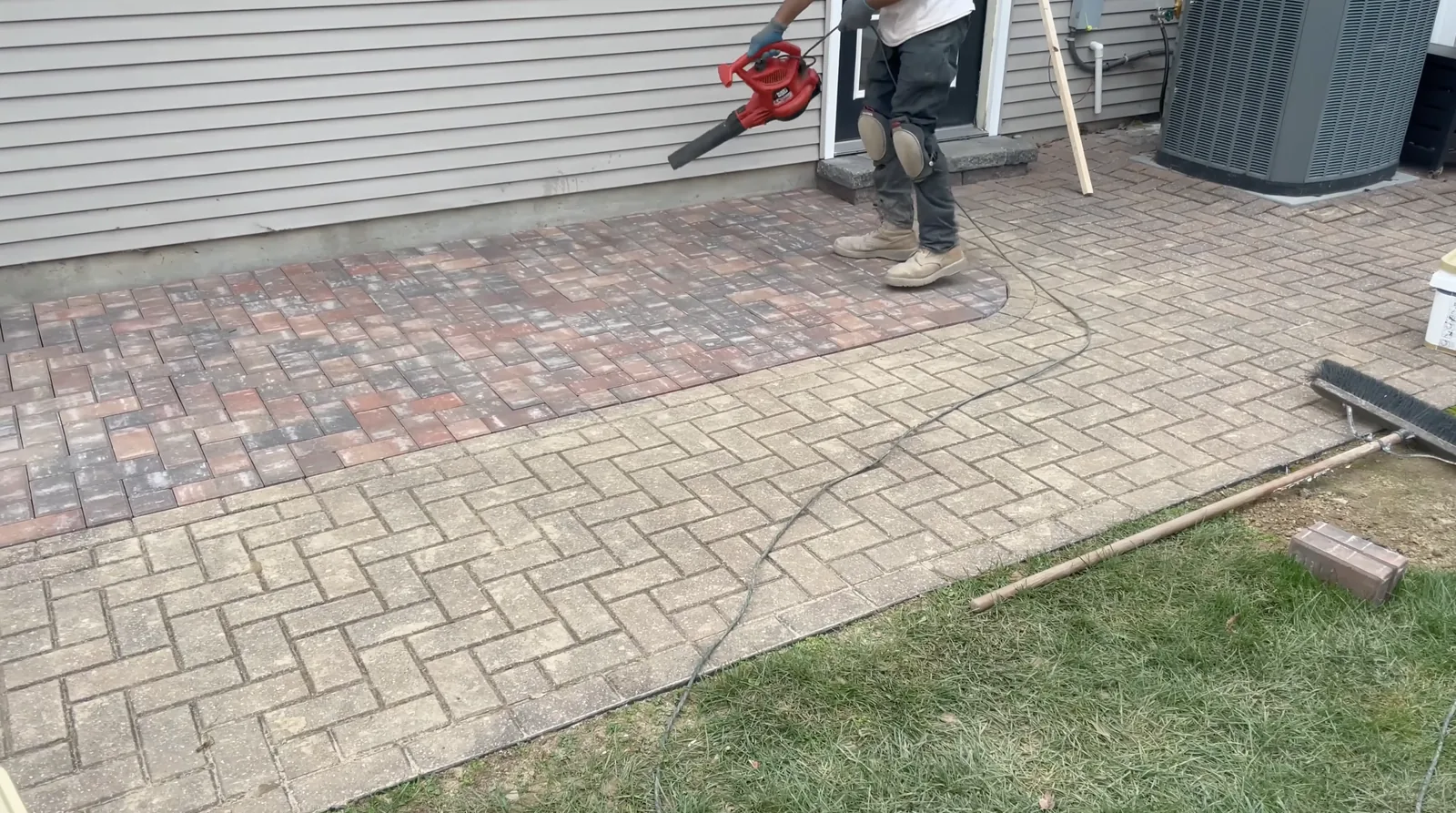
Herringbone is the most popular patio pattern for a reason: the interlocking angle resists shifting under foot traffic better than a stacked or running-bond layout. It costs a little more in cuts but holds its lines longer. Joints are locked with polymeric sand, which hardens after it is set and resists washing out in heavy rain. That is what keeps weeds down and the field tight.
Popular Patio Add-Ons in Orlando
Most homeowners who build a patio end up bundling at least one feature, and doing it during the original build is cheaper than patching it in later.
- Fire pits: a stone fire pit runs roughly 2,500 to 6,000 dollars depending on size and whether it is gas or wood-burning.
- Seat walls and low retaining walls: define the space and add built-in seating around a fire feature.
- Outdoor kitchens: a paver patio is the standard base for a summer kitchen, which is its own larger project.
- Landscape and path lighting: low-voltage lighting built into the patio and steps.
Building these in from the start means one mobilization, one base plan, and a cohesive finished space instead of a patio with features added on top.
How Long Does a Paver Patio Take?
Most residential patios take three to five days. A larger patio with a fire pit, seat wall, or multiple zones can run one to three weeks.
Permit and HOA timelines, plus wet-season rain from June through September, can extend that. Sealing is a separate visit a few weeks after the patio is finished.
Why Paver Patios Fail in Central Florida
A patio that sinks or grows weeds through the joints is almost always a base and drainage problem, not a paver problem. Base that was not compacted properly settles under foot traffic. Poor slope lets water pool and wash the joint sand out, which is where weeds take hold. Both trace back to shortcuts taken before the pavers went down.
Our guide on why pavers sink in Central Florida covers the full picture, and if your existing patio is already settling, our repair and releveling service can often fix it without a full rebuild.
Paver Patios Across Metro Orlando
Patio work varies by neighborhood. In Winter Park and College Park, patios are often tucked into smaller backyards where access and tree roots shape the design. In Windermere, Dr. Phillips, and Lake Nona, patios tend to be larger outdoor-living builds with fire features and kitchens, and they come with HOA architectural review to clear first. We cover paver patio installation across Orange, Seminole, and Osceola counties.
How We Match You With a Patio Installer
Pavers Orlando Co is not the contractor. We connect you with a licensed, insured local installer whose license we confirm against Orange County’s public database first. Because we do not run a crew or sell materials, we have no reason to push you toward a bigger patio than you need. You get itemized estimates to compare and deal with the installer directly from there.
Common Questions About Paver Patios in Orlando
Get a Free Paver Patio Estimate in Orlando
Tell us your patio size, the material you are considering, and any add-ons like a fire pit or seat wall. We will match you with a vetted local installer who covers your area and can come out to measure, at no cost and no obligation. Call (689) 686-8021 or request a quote online.