Pavers in Longwood, FL
Longwood is the oldest city in Seminole County, an old-Florida community where oak-canopy streets and a genuinely historic downtown survive alongside established 1960s-to-1980s neighborhoods. For paver work, that mix of historic character and mature, tree-shaded lots is the defining factor.
This is a market of larger established lots under mature oaks, with a nationally registered historic district that adds a review layer for older-core homes, all handled through Longwood’s own city permitting. This page covers what paver installation involves here and how we connect you with a vetted local installer.
Paver Work in Longwood: What Makes It Different
Longwood dates to the 1870s, platted around the newly arrived South Florida Railroad, which makes it one of the oldest cities in Central Florida. Unlike cities that grew so fast their history got paved over, Longwood kept its scale, its narrow older streets, and its mature oaks.
That old-Florida character shapes the paver market. The city’s residential neighborhoods fall into two broad groups: established communities built from the 1960s through the 1980s, with larger lots, mature oak canopy, and a mix of architectural styles, and smaller pockets of newer construction filled in over the past two decades near the 434 corridor.
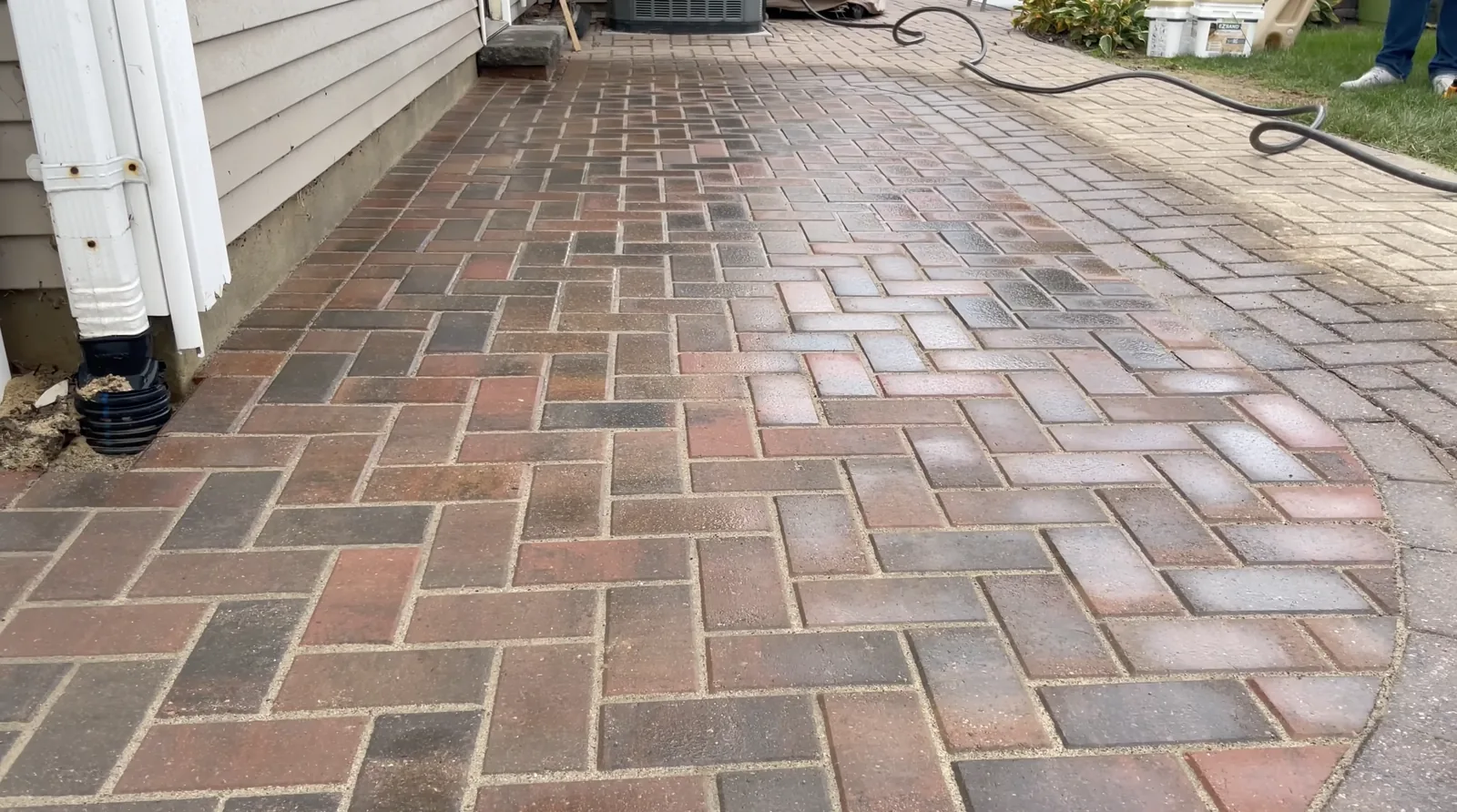
The established, tree-shaded lots are the heart of the market, and the mature oak canopy is the defining physical factor. Big oak roots lift and crack driveways and walkways over time, the same challenge that shapes paver work in Winter Park and College Park, so root-aware base work matters here.
Longwood’s Own Permitting and Historic District
Longwood is an incorporated city that issues its own building permits, so paver work goes through the City of Longwood Building Division, not Seminole County directly.
The city permit
A paver driveway or patio needs a city permit through Longwood’s Building Division, and work in the public right-of-way, like the apron, needs separate approval. Homes just outside the city are unincorporated Seminole County and route through the county instead.
The historic district
Longwood’s Historic District covers roughly 190 acres with 37 contributing structures, on the National Register of Historic Places since 1990, including landmarks like the 1885 Bradlee-McIntyre House. A home there carries added review, and brick and clay pavers suit the older architecture far better than modern concrete.
Our Paver Services in Longwood
We connect Longwood homeowners with installers across the full range, tuned to established oak-canopy lots.
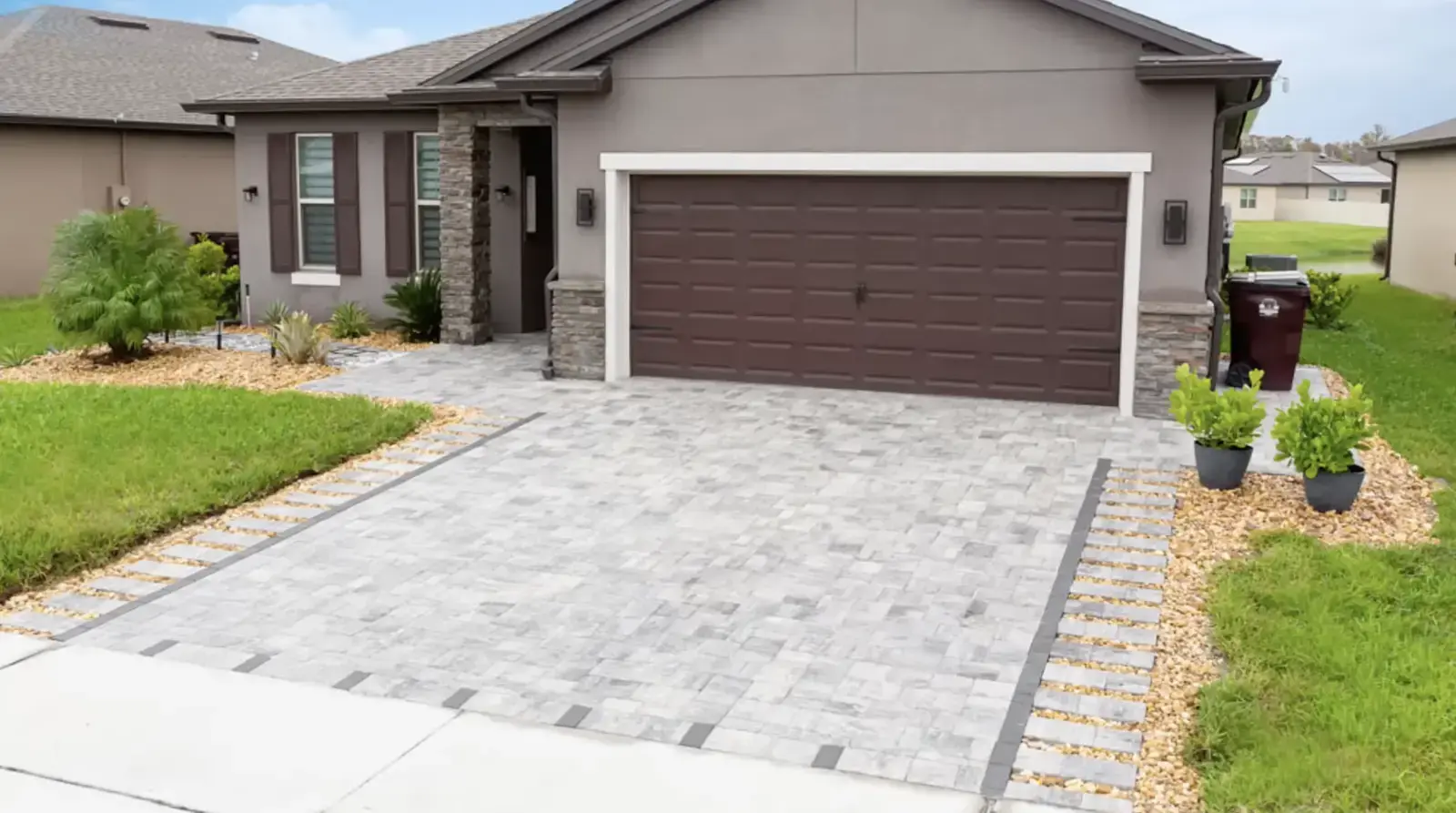
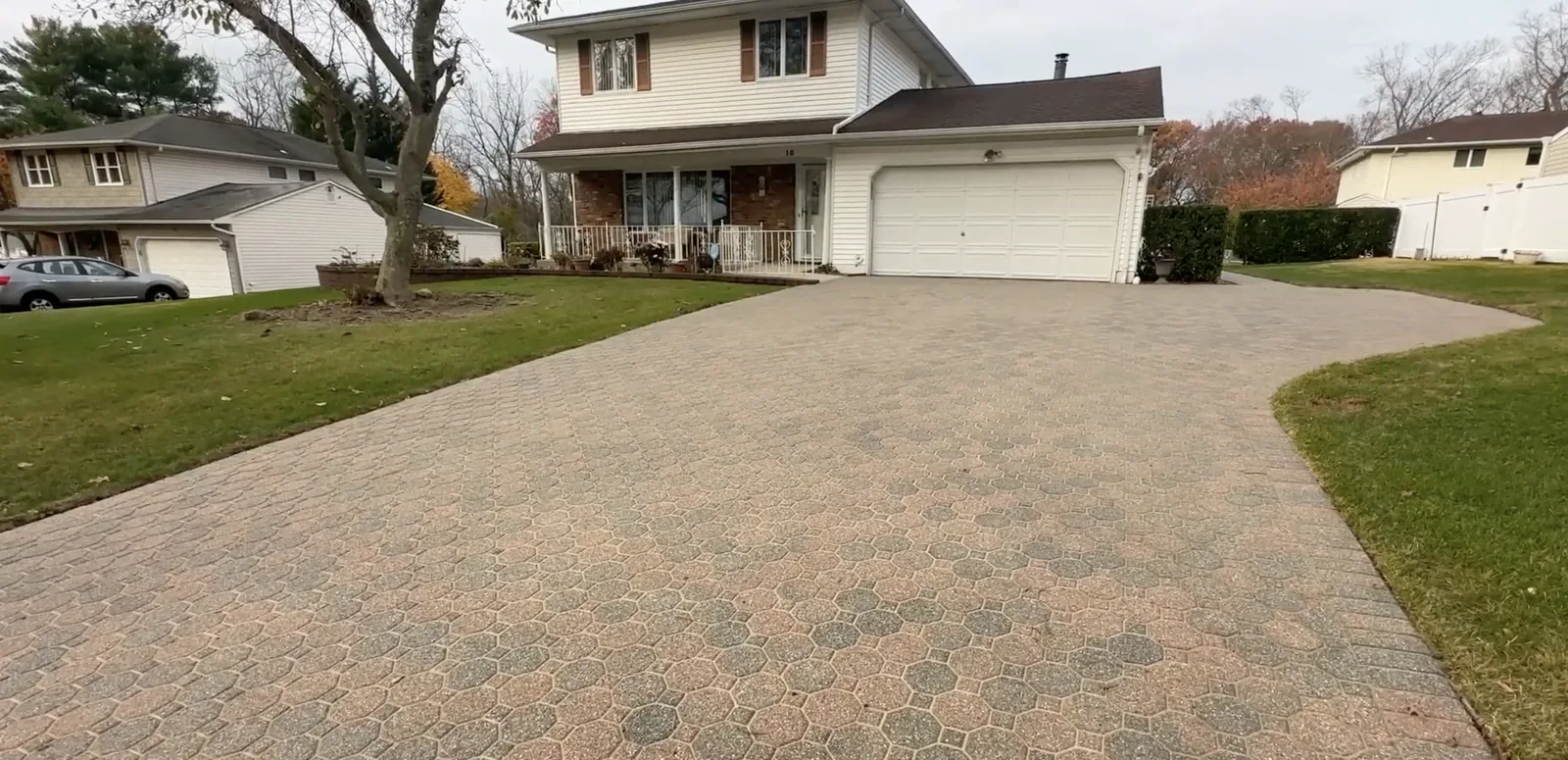
- Driveway installation is the most common, and on the mature-tree lots it is the project most affected by oak roots, so root-aware base work is central.
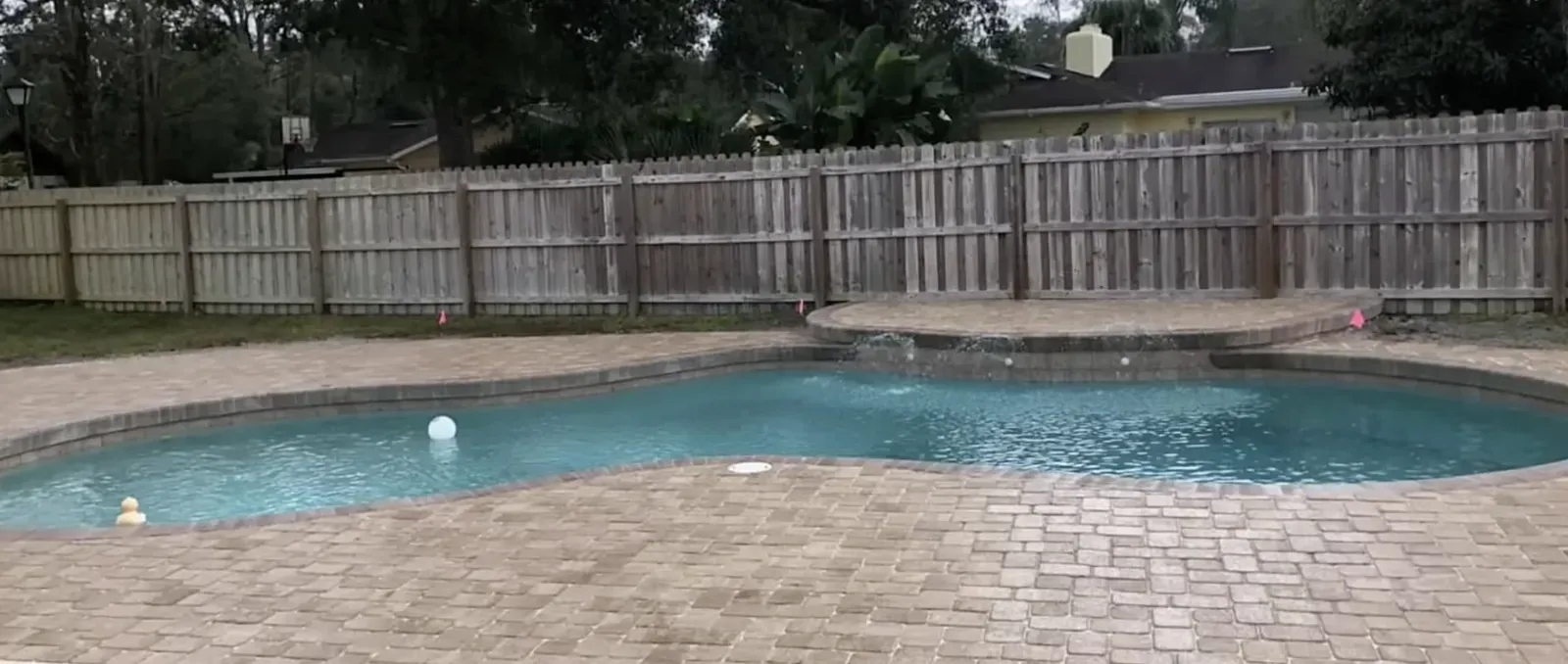
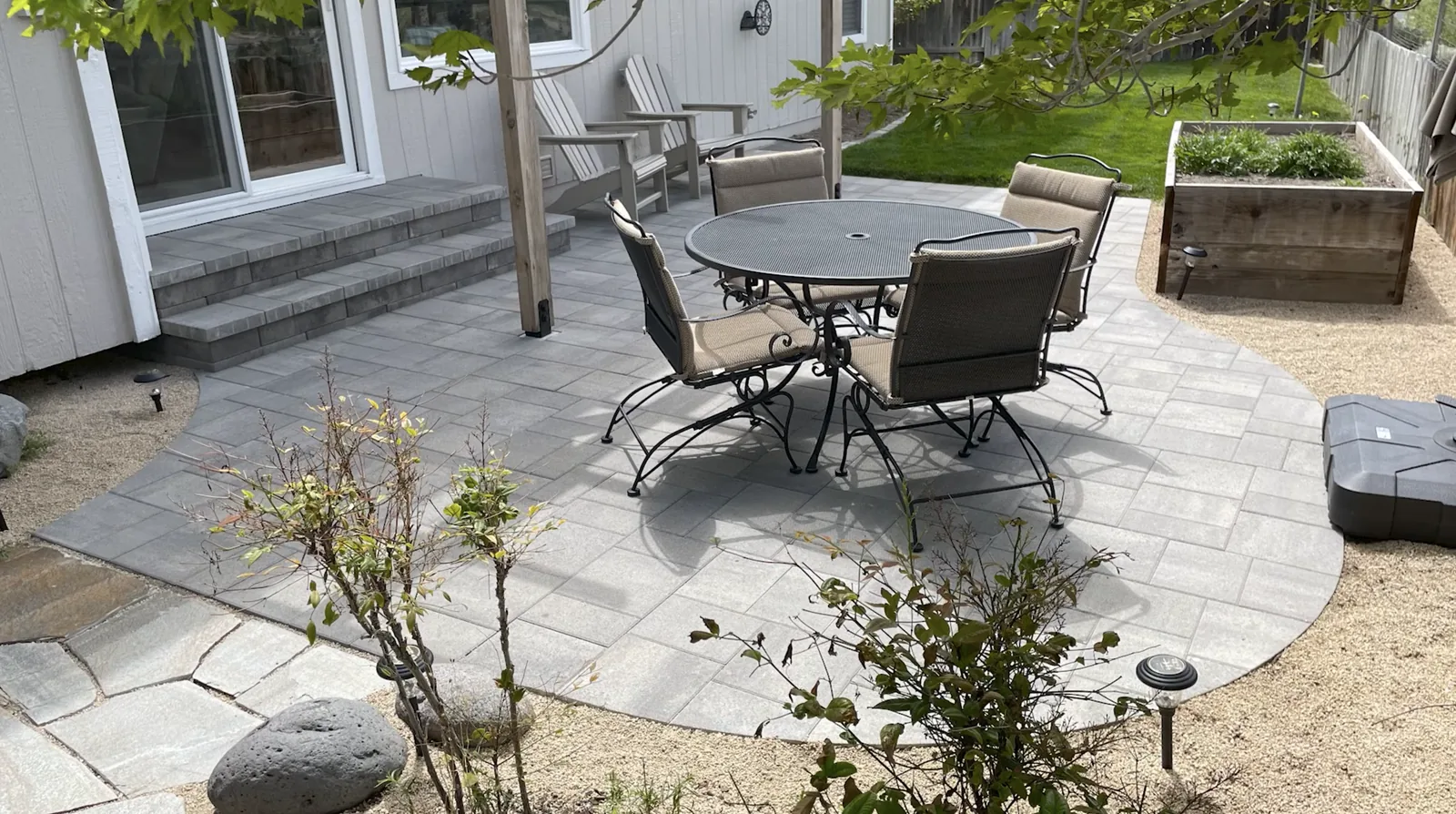
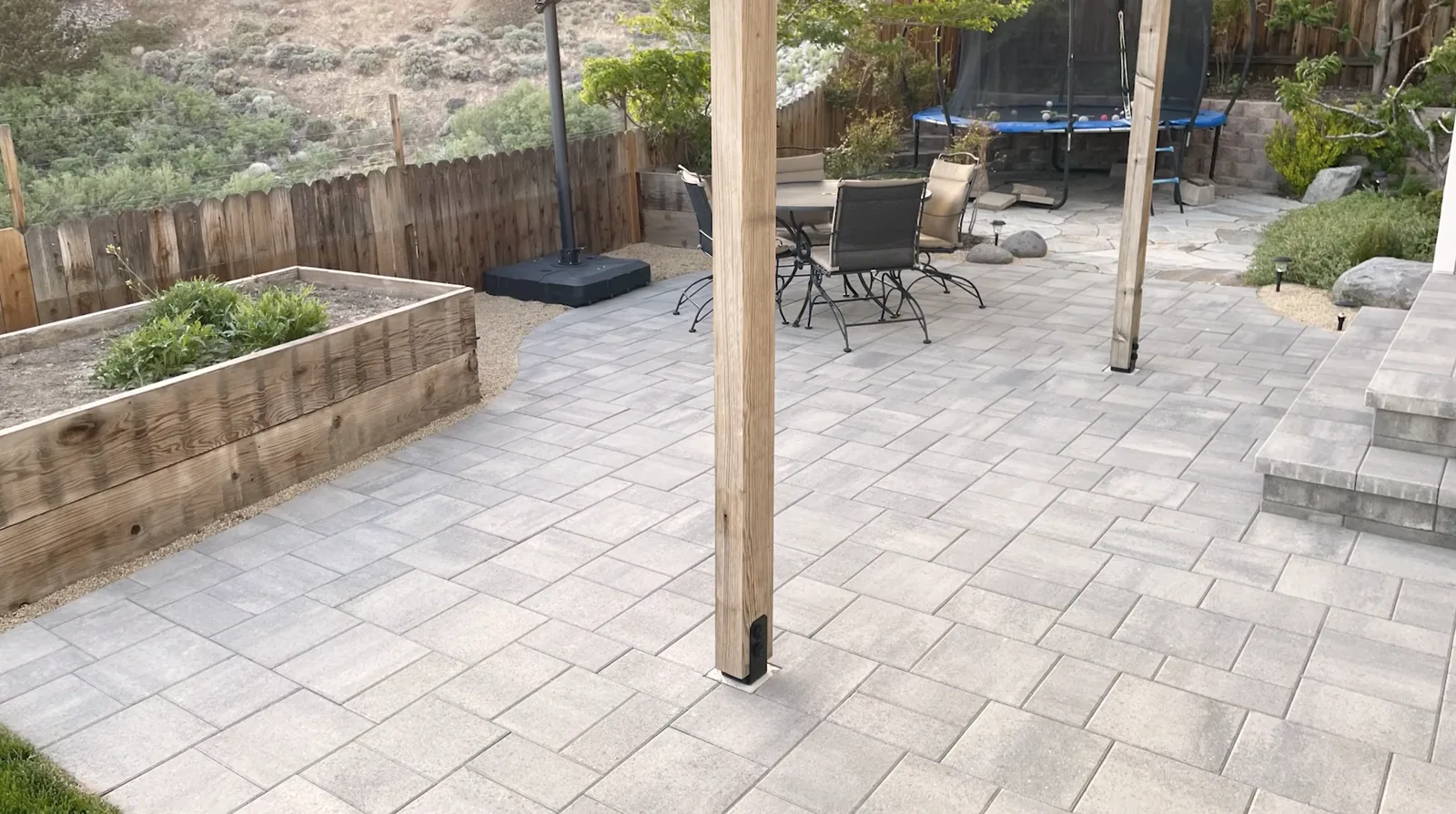
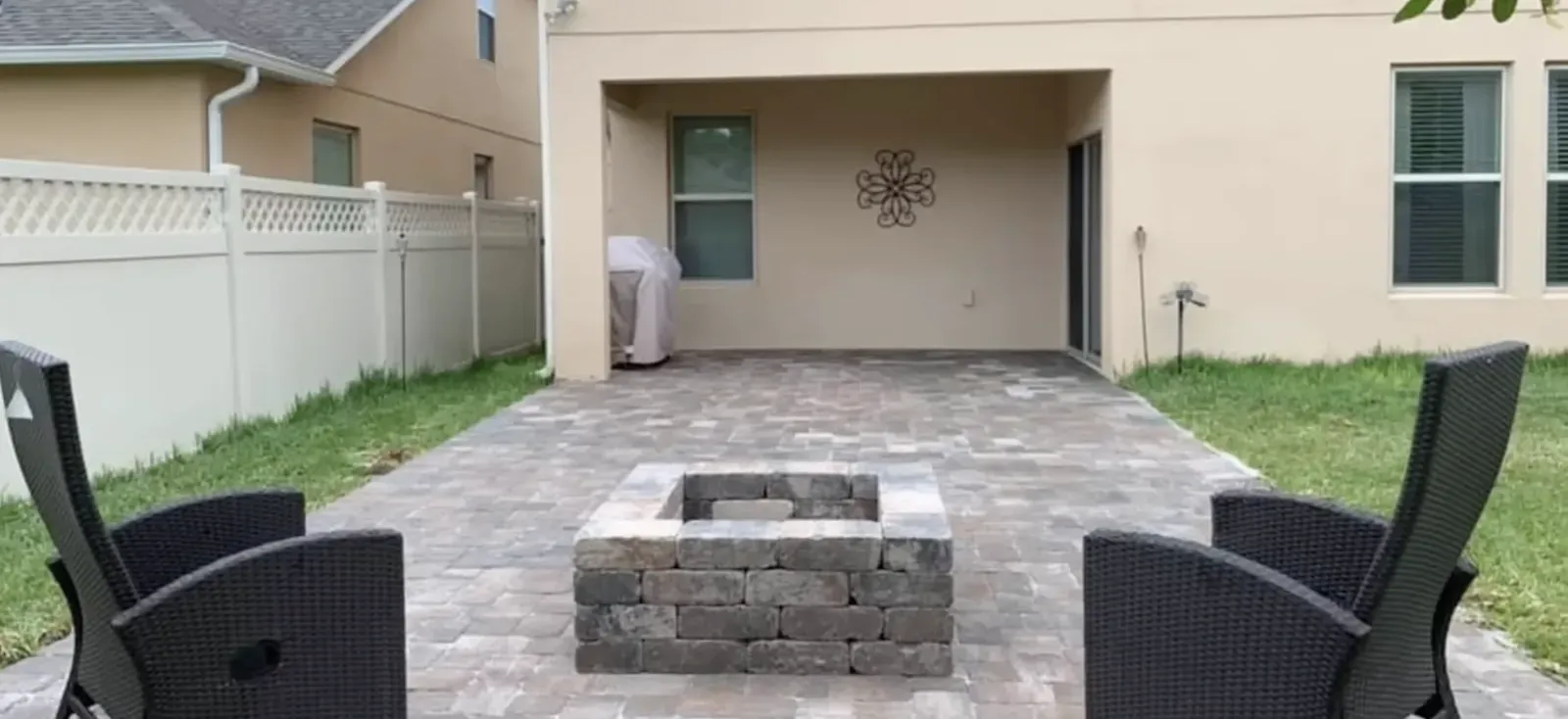
- Pool deck pavers and paver patios are popular across the established neighborhoods.
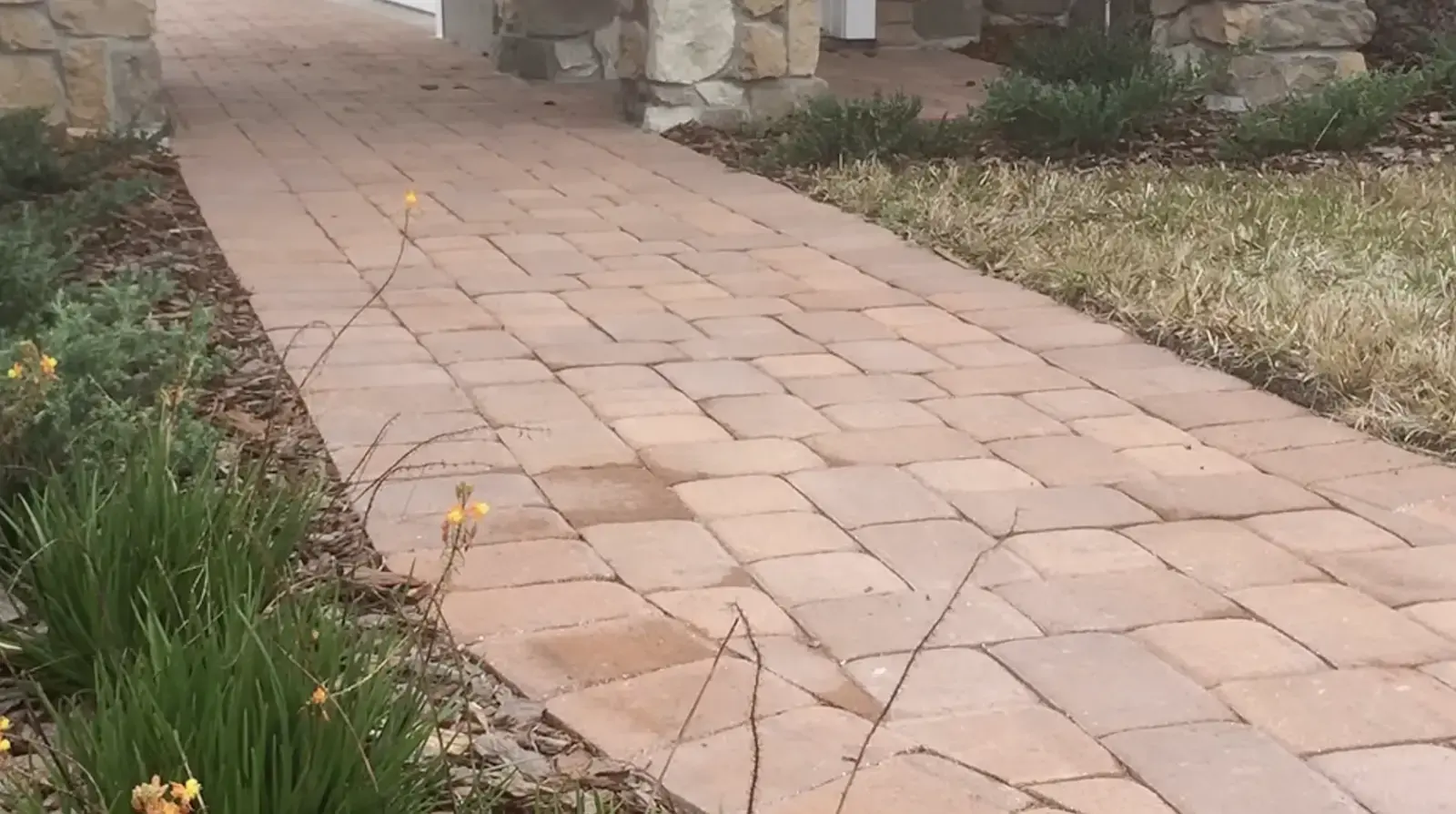
- Walkways and entryways carry weight given the older homes’ curb appeal.
We also cover repair and releveling, steady here given root uplift and decades-old installations, along with sealing and retaining walls.
Common Paver Problems in Longwood
The problems here follow the trees and the age of the homes.
Oak root uplift
A leading issue, as the mature canopy that defines Longwood sends roots under driveways and walkways that lift them over time.
Washed-out joints
Decades-old original installations on the 1960s-to-1980s homes have loose, washed-out joints.
Algae in shade
Shaded, damp conditions under the heavy tree canopy grow algae on pavers faster, making sealing and cleaning more important here.
Most of these are fixable without a full rebuild. Root-aware releveling, resanding old joints, and resealing shaded surfaces are all common Longwood jobs.
Areas We Cover in Longwood
We connect homeowners with installers across all of Longwood and the surrounding Seminole County area.
That includes the established communities of Sweetwater Oaks, Wekiva Cove, Sabal Point, The Springs, and Alaqua, the historic district near State Road 434 and County Road 427, and the newer pockets along the 434 corridor. For homes just outside the city in unincorporated Seminole County, we cover those under county permitting.
Longwood sits in Seminole County near Lake Mary, Casselberry, and Altamonte Springs, and close to the Wekiva area, so we serve the surrounding communities too.
What Paver Projects Cost in Longwood
Longwood paver pricing tracks the Seminole County ranges. A standard concrete-paver driveway runs about 15 to 22 dollars per square foot installed, pool decks 15 to 30 dollars, and patios 15 to 35 dollars depending on material. Two things specific to Longwood can affect a quote: oak-root detailing on the mature-canopy lots, and, for historic-district homes, brick or historic-match pavers that run higher than standard concrete along with any preservation considerations. Our cost guide covers the full ranges.
How We Match You With a Longwood Installer
Pavers Orlando Co is not the contractor. We connect you with a licensed, insured local installer whose license we confirm first. Longwood rewards installers who can detail a base around mature oak roots, handle the historic-district review where it applies, and match materials to older homes, so we point you to ones with real local experience. You get an itemized estimate and deal with the installer directly from there.
Common Questions About Pavers in Longwood
Get a Free Paver Estimate in Longwood
Tell us the service, your neighborhood, and whether your home is in the historic core. We will match you with a vetted local installer who knows Longwood’s permitting, oak-canopy lots, and historic district and can come out to measure, at no cost and no obligation. Call (689) 686-8021 or request a quote online.