
Fire Pits and Seating Walls in Orlando, FL
A built-in fire pit with a seating wall is the feature that turns a paver patio into a place people actually gather. It is also a relatively affordable add-on that appraisers and buyers treat as part of an outdoor living zone rather than a standalone extra.
This page covers what a paver fire pit and seating wall cost in Orlando, the gas-versus-wood decision, the clearance and safety rules that matter in Florida, and how we connect you with an installer who builds it with fire-rated materials.
Pavers Orlando Co is a referral service, not a contractor. We match you with a licensed, insured local installer and set up a free on-site estimate.
What a Fire Pit Costs in Orlando
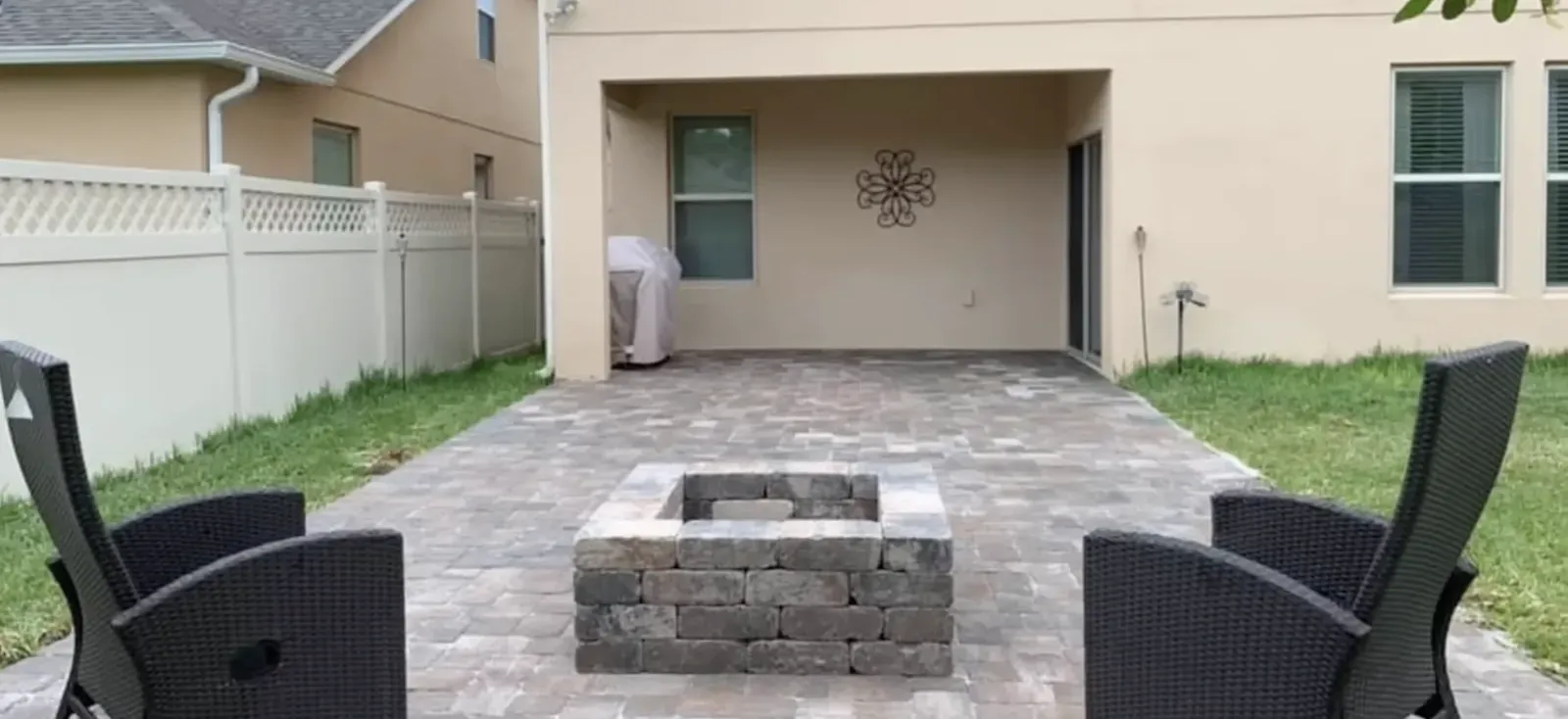
A professionally built paver fire pit generally runs 2,500 to 6,000 dollars, depending on size, material, and whether it burns gas or wood. Adding a built-in seating wall around it is what most transforms the project, and a seating wall runs roughly 4,400 to 15,800 dollars depending on length and materials.
| Fire feature | Typical cost |
|---|---|
| Wood-burning paver fire pit | $2,500 to $5,000 |
| Natural-stone wood fire pit | $4,000 to $7,000 |
| Gas fire pit (line, burner, permit) | $5,000 to $12,000 |
| Built-in seating wall (added) | $4,400 to $15,800 |
A basic install can be done in a few hours, though masonry fire pits need about a week for the mortar or adhesive to cure before first use. Gas features cost more because they add a licensed gas line, a burner assembly, an ignition system, and a required permit.
Gas or Wood: The First Decision
The fuel choice shapes the cost, the permitting, and how you use the fire pit.
Wood-burning
Wood is cheaper to install, needs no gas line, and gives the classic crackle and heat many people want. The tradeoffs are that you need somewhere to store wood, and Florida fire authorities sometimes enforce seasonal burn bans, so it is worth checking local rules before building.
Gas
Gas is cleaner, lights instantly, and is better for regular use with no smoke or ash. It costs more because it needs a licensed plumber to run the line, a permit that is always required, and, under most codes, a concrete pad rather than just pavers. For a fire pit you will use often, many homeowners find gas worth the premium.
Clearance and Safety Come First
A fire feature is the one paver project where safety rules are not optional, and a good installer treats them as the starting point of the design.
- Keep a wood-burning fire pit 10 to 15 feet away from the house, fences, and overhanging trees.
- Plan 6 to 7 feet of clearance around the pit for seating, so people are a safe distance from the flame.
- Never build a wood-burning fire pit under a covered patio or lanai. Only certain small gas pits are allowed under cover where local codes permit it.
- Most cities limit the fire opening to about 3 feet in diameter.
These clearances are why a fire pit has to be sited thoughtfully within the yard, not just dropped wherever there is space.
Fire-Rated Materials Are the Whole Game
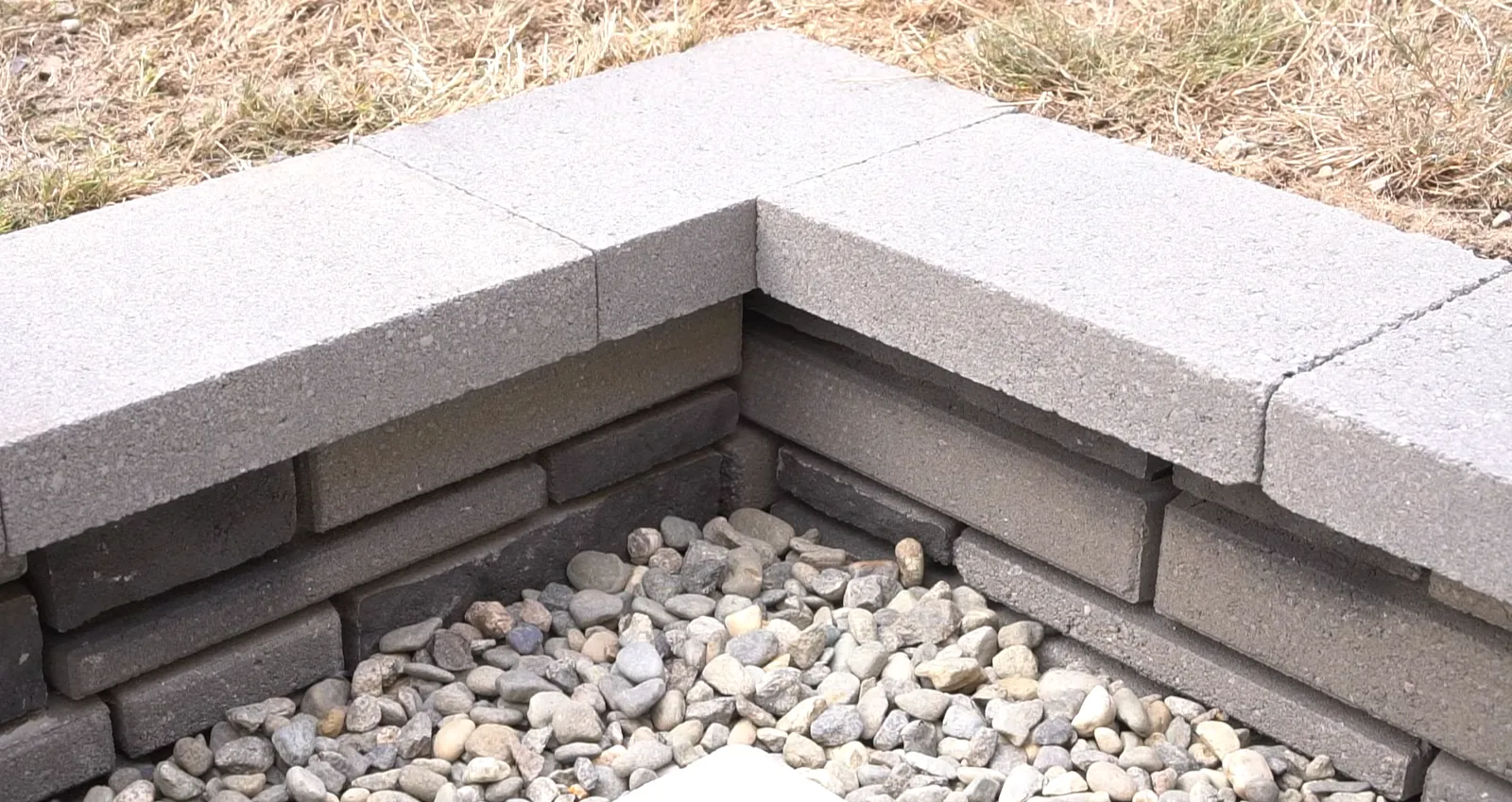
The single most important detail in a fire pit is what the fire bowl itself is made of, and it is where cheap installs cut a dangerous corner. The interior of the pit has to use fire-rated materials built for direct, sustained heat. Standard concrete blocks, river rocks, and pea gravel are not rated for it. Under repeated heat they can crack, splinter, and in some cases fail in ways that throw debris, which is a real safety hazard.
A proper build uses materials specifically designed for high-heat environments in the bowl, with the decorative paver or stone surround on the outside. An installer who sources whatever is convenient rather than fire-rated is building a hazard.
The Base and Drainage in Florida
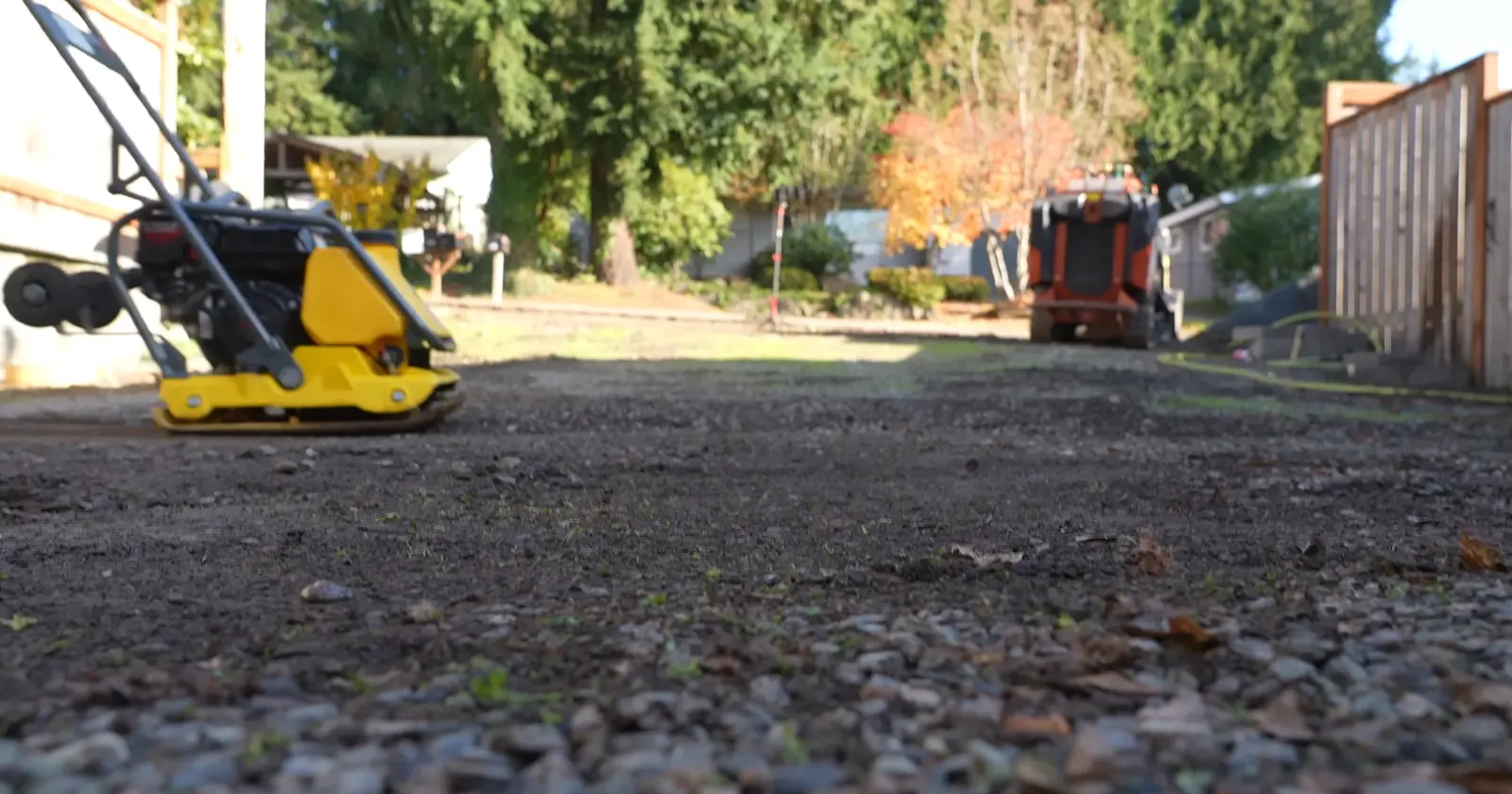
Like every paver feature here, a fire pit lives or dies on its base. Central Florida’s sandy soil does not hold load the way denser soil does, so a fire pit set on a poorly prepared base shows uneven settling and gaps between pavers within a season or two. Drainage matters too. With over 50 inches of rain a year in the region, a fire pit that lets water pool beneath it will not last. The install has to account for where water goes without disrupting the rest of the patio.
Gas fire pits add one more base requirement: under most codes, a gas installation needs a concrete pad rather than pavers alone, for stability and safety.
Permits for a Fire Pit in Orlando
Permitting depends on the type of fire pit.
- A portable fire bowl generally needs no permit.
- A permanent wood-burning pit may need a modest permit depending on the municipality.
- A gas fire pit almost always requires a permit and an inspection, because it involves a gas line.
Your installer should pull the right permits, and for a gas feature that means coordinating the licensed plumber and the inspection. Seasonal burn bans, enforced by the local fire authority, can also restrict when a wood pit is used.
Fire Pits and Seating Walls Across Metro Orlando
Fire features are a popular patio add-on across the metro. In Windermere, Dr. Phillips, and Lake Nona, fire pits are usually integrated into larger outdoor-living builds with curved seating walls and often gas lines. In established neighborhoods and mid-size backyards, a wood-burning paver pit with a simple seat wall is the common choice. We cover fire pit and seating wall installation across Orange, Seminole, and Osceola counties.
How We Match You With a Fire Pit Installer
Pavers Orlando Co is not the contractor. We connect you with a licensed, insured local installer whose license we confirm against Orange County’s public database first. Fire features reward installers who respect clearances and use genuine fire-rated materials, and gas pits require a licensed plumber, so we point you to installers equipped for the job. You get an itemized estimate and deal with the installer directly from there.
Common Questions About Fire Pits in Orlando
Get a Free Fire Pit Estimate in Orlando
Tell us whether you want gas or wood, whether you want a seating wall, and your neighborhood. We will match you with a vetted local installer who respects the clearances and uses fire-rated materials and can come out to measure, at no cost and no obligation. Call (689) 686-8021 or request a quote online.